
10 Incredible Places to Visit in Iceland Year-Round
This website uses affiliate links which may earn a commission at no additional cost to you. As an Amazon Associate I earn from qualifying purchases.
Updated: 11th June 2026

Iceland’s must-see sights span the natural and almost otherworldly. Few countries can lay claim to such a cinematic landscape: volcanic valleys, geysers and fissures, swoon-worthy waterfalls, seabird sightings, and abundant stop-for-a-photo road trips. Any trip to the land of fire and ice is unforgettable, with a seemingly never-ending array of canvas-like backdrops decorating one of the world’s most unique islands.
Which were my favourites? All of them. For this list, I’ve focused on the top spots to visit in Iceland that are within a six-hour drive of Reykjavik, sticking to the west and south of the island rather than the harder-to-reach east or north. I’ve also only spotlighted places that are accessible year-round, rather than the rugged interior, where the summer-only F-Roads restrict access for much of the year. From the aurora borealis sightings to scuba diving in Silfra, adventures abound in Iceland.
The Westfjords
In the northwest, reaching out like fingers towards Greenland, the remote and rural Westfjords are pure, primal Iceland. While it’s rare to feature on a first-time, flying visit, those who have some extra days will be rewarded with endless, untouched landscapes of sheer cliffs frequented by puffins and nesting seabirds and snow-capped mountains. Spectacular waterfalls, such as stout but mighty Dynjandi, and isolated fishing villages like Bolungarvík, home to the Ósvör Maritime Museum, a replica of an old fishing station complete with turf-topped buildings, all add to the sense of isolation. The Westfjords is also one of the island’s best northern lights viewing spots. Allow at least three days to make the trip out west worthwhile.
Getting there: While a car rental in Iceland is essential for most destinations, that’s especially true in the Westfjords. It’s about a six-hour drive from Reykjavík, or detour via the Snæfellsnes Peninsula (an excellent road trip in its own right) using the Badur Ferry for a slightly shorter journey. Alternatively, you can fly from Reykjavík’s domestic airport (not to be confused with Keflavík Airport) to IÍsafjörður or Bíldadalur, though hire options are more limited on arrival. If travelling the Westfjords in winter, a 4WD is advised.

Diamond Beach (Breiðamerkursandur)
There are beaches, and then there’s Breiðamerkursandur. I’ve been lucky enough to travel across the world, and I still don’t think I’ve found a more dramatic and breathtaking stretch of shore. A sweep of jet-black sand, dotted with glistening icebergs that twinkle in the light, hence dubbed Diamond Beach, it truly lives up to its superlative descriptions. You can see it in five minutes, or spend hours ambling and gawping. It really is one of Iceland’s best places to visit for a reason.
Getting there: Again, driving is your best bet – it’s around 5½ hours from Reykjavik, but there’s plenty of cool spots to visit along the way (see below). There are limited buses run by Strætó, though, like most things in Iceland, they are far from cheap. It’s also a common stop on most south coast tours.
Jokulsarlon Glacier Lagoon
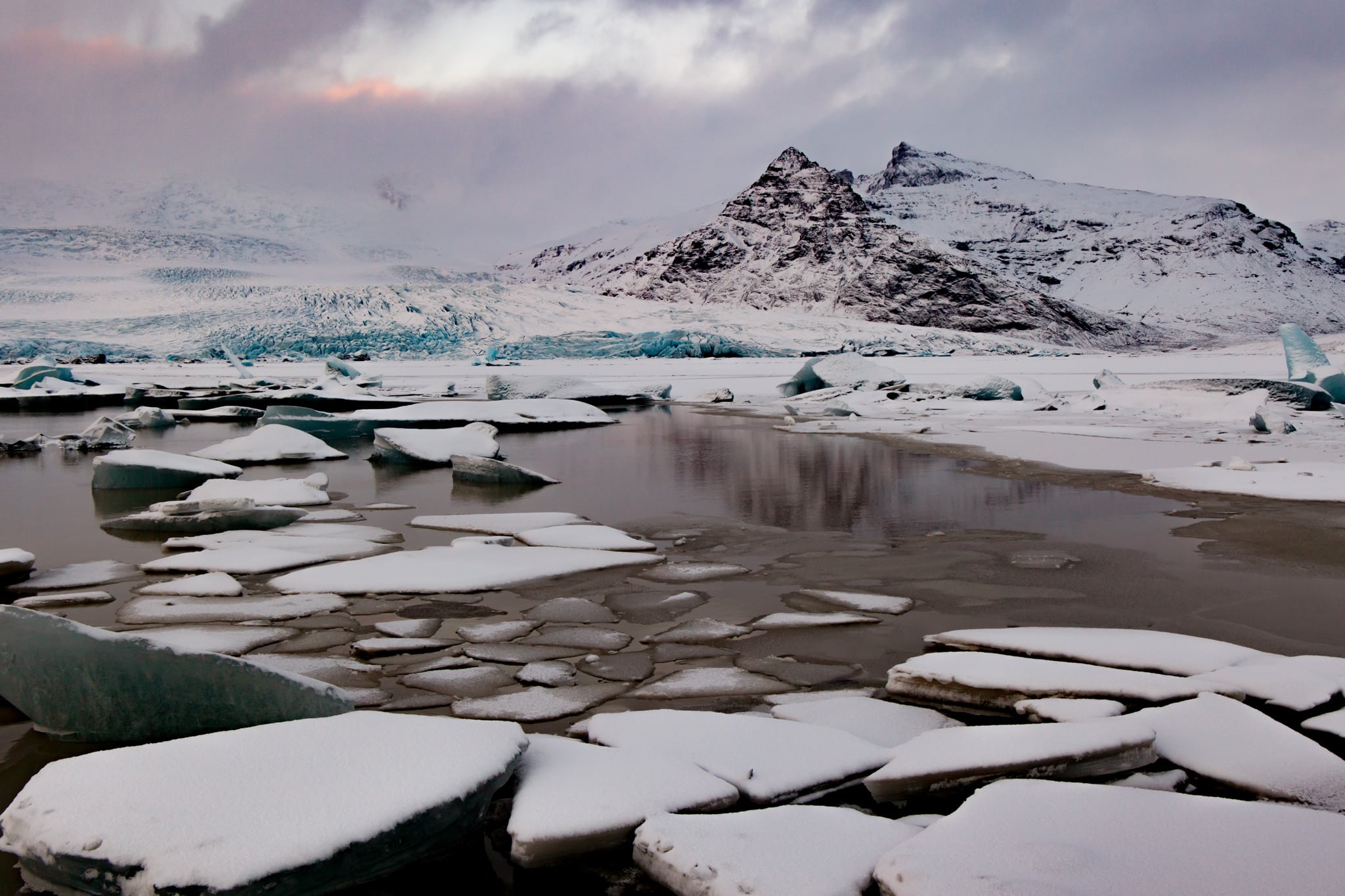
On the southern edge of the vast Vatnajökull National Park (by vast, I mean over 10% of the country, and home to Europe’s largest glacier), this photogenic lagoon will make your eyes pop, and your heart sing. It’s a magnificent and easy-to-access part of the park, unlike some of the ice caps and canyons deep inside. The lagoon is simply splendid – though its formation by the melting glacier due to rising temperatures is less so – with icebergs floating and reflecting in the dreamy, clear blue waters. Plan to spend a couple of hours here, either just admiring the landscape or perhaps kayaking in season. It’s also possible to do trekking on the glacier from nearby.
Getting there: It’s just across the road from Breiðamerkursandur, so you can easily combine two of the best places to visit in Iceland.
Silfra
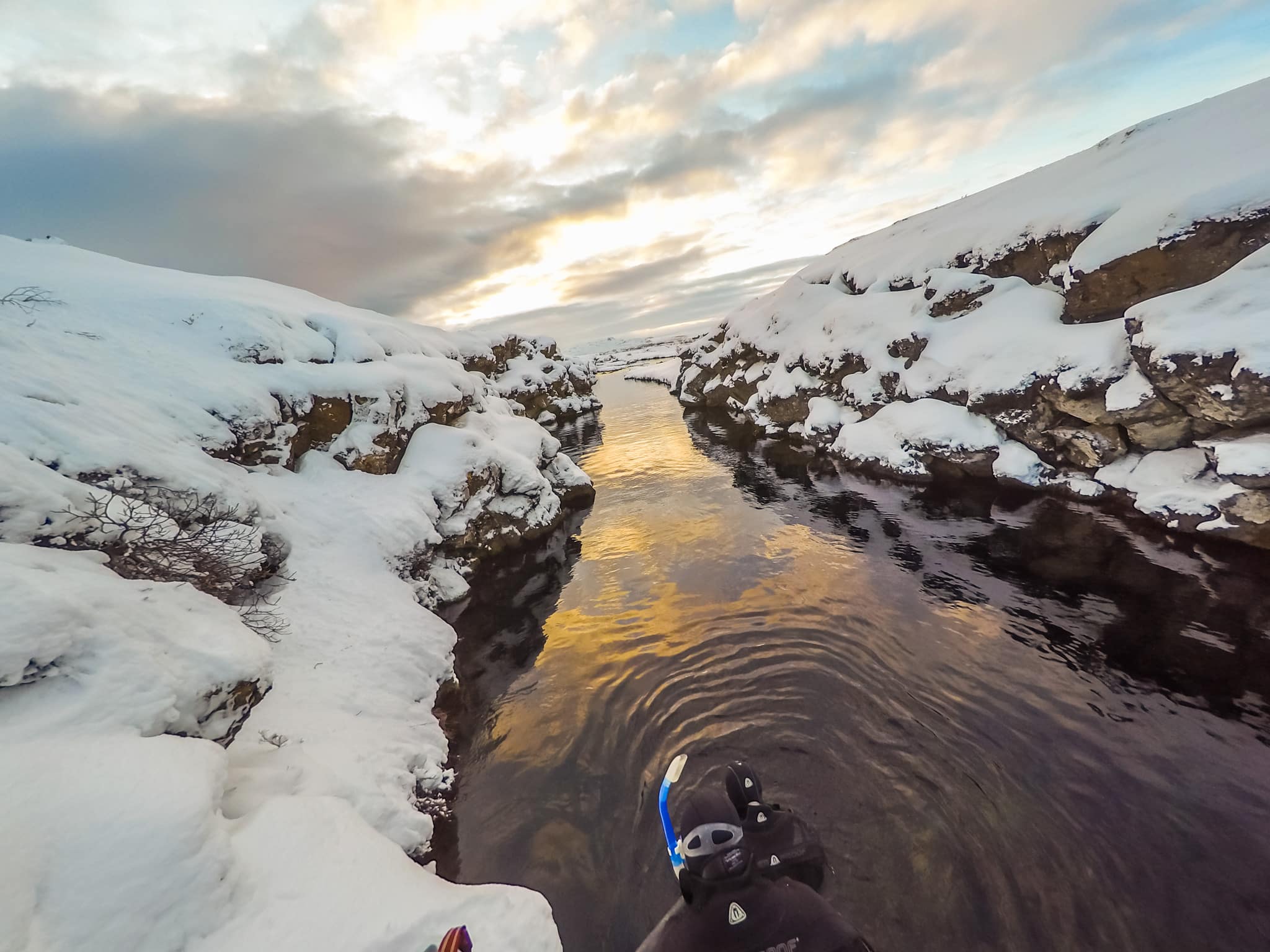
Set in Thingvellir National Park, where the North American and Eurasian tectonic plates are slowly drifting apart, the Silfra fissure is one of many in the fault line-riddled landscape. Famous for its crystal-clear glacial meltwater, it’s one of the world’s most unique places to snorkel or scuba dive. Words can’t really describe how it feels to plunge yourself into the frigid waters wearing a dry suit. Even though I’m a PADI diver, I opted to snorkel here both to save some money and because the water is so clear that the visibility is excellent regardless.
Getting there: It’s around an hour’s drive from Reykjavík. Given you’ll need to scuba or snorkel with a professional operator anyway, a drive with transfers is another option.
Thingvellir National Park
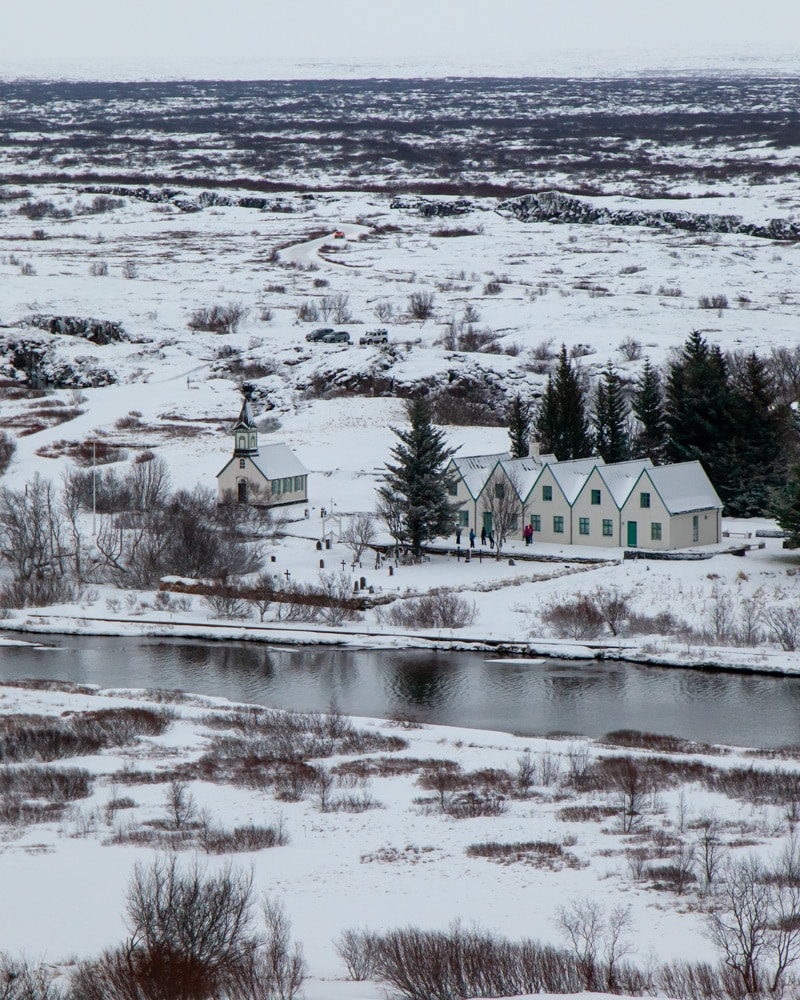
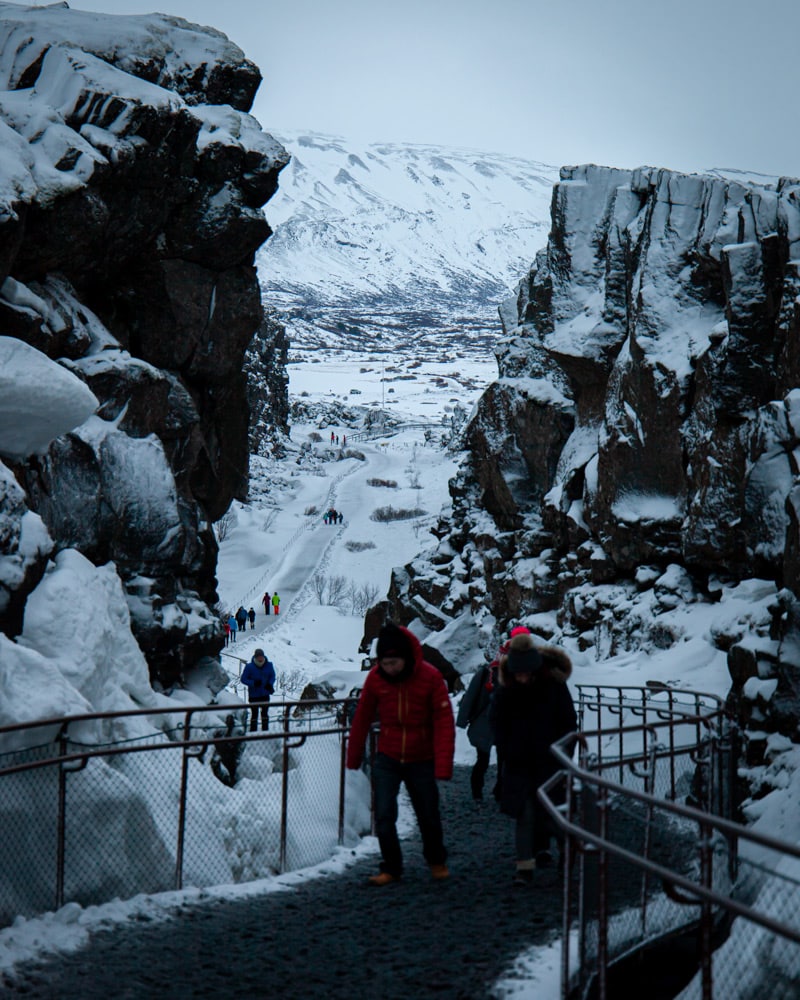
Unesco-listed Thingvellir National Park is more than just Silfra. It’s one of Iceland’s most historically and geologically significant destinations. This is where Iceland’s first parliament, Alþing, was established more than a thousand years ago, and while no building remains, walking through the scenic rift valley where it was located is unforgettable. Across the park, you’ll see everything that makes Iceland so cinematic: volcanic terrain, lakes, geysers and lava fields. It’s one of the most popular places to visit in Iceland, given that it’s a short drive and a day trip around the so-called Golden Circle takes in many Icelandic attractions.
Getting there: There’s no public transport right into the park, so driving is your best bet. If you’re on a quick visit and not planning to rent a car, then there are plenty of Golden Circle tour options departing Reykjavík.
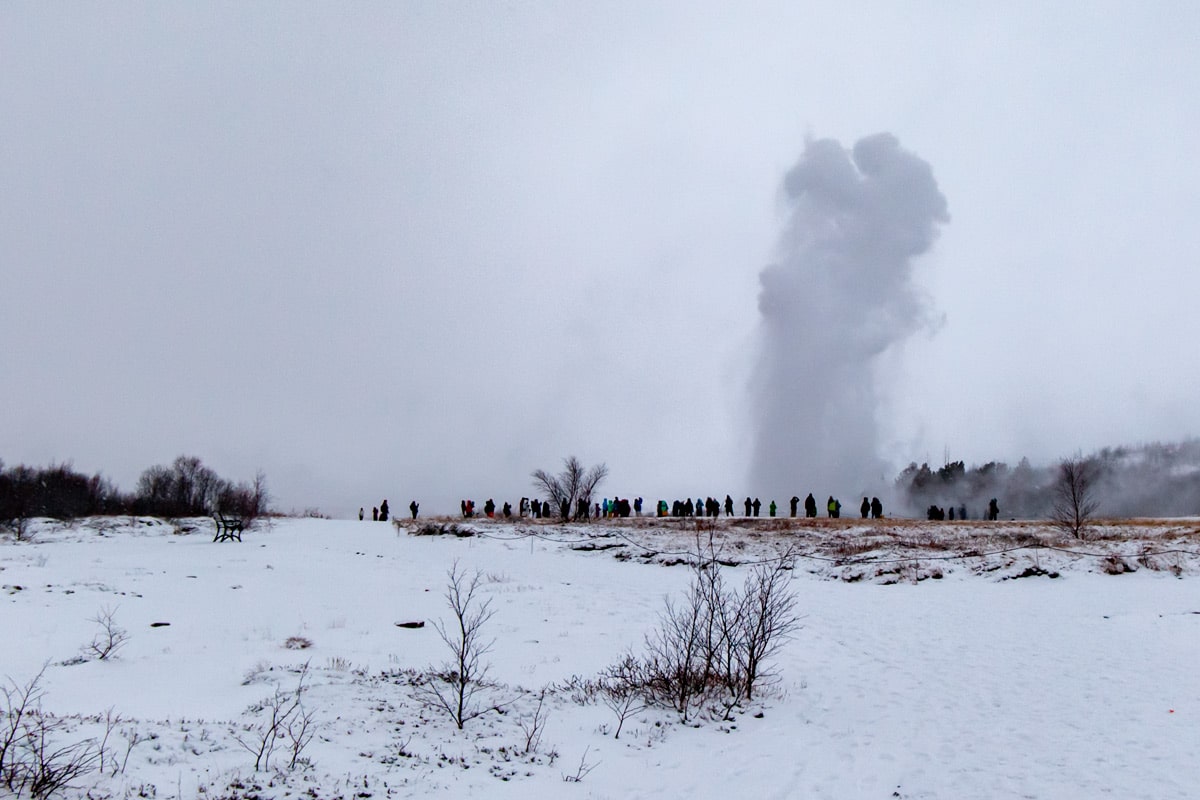
The Haukadalur Valley, Geysir & Strokkur
Another of the Golden Circle’s trio of main stops, the Haukadalur Valley is one of the more accessible yet still spectacularly wild-appearing places to visit in Iceland. The geothermal valley bubbles with everything that makes this nation addictive: steam vents, boiling mud pools and active geysers. The most famous is Stokkur, which roughly every 10 minutes sends a boiling jet of water flying into the air, eliciting audible gasps from everyone around.
Getting there: The third main stop on the Golden Circle is the Gullfoss Waterfall, which, while undeniably impressive, wasn’t as memorable to me as some other Icelandic falls. Still, while driving the loop, you’ll pass it and stop as part of every Iceland itinerary.

Seljalandsfoss
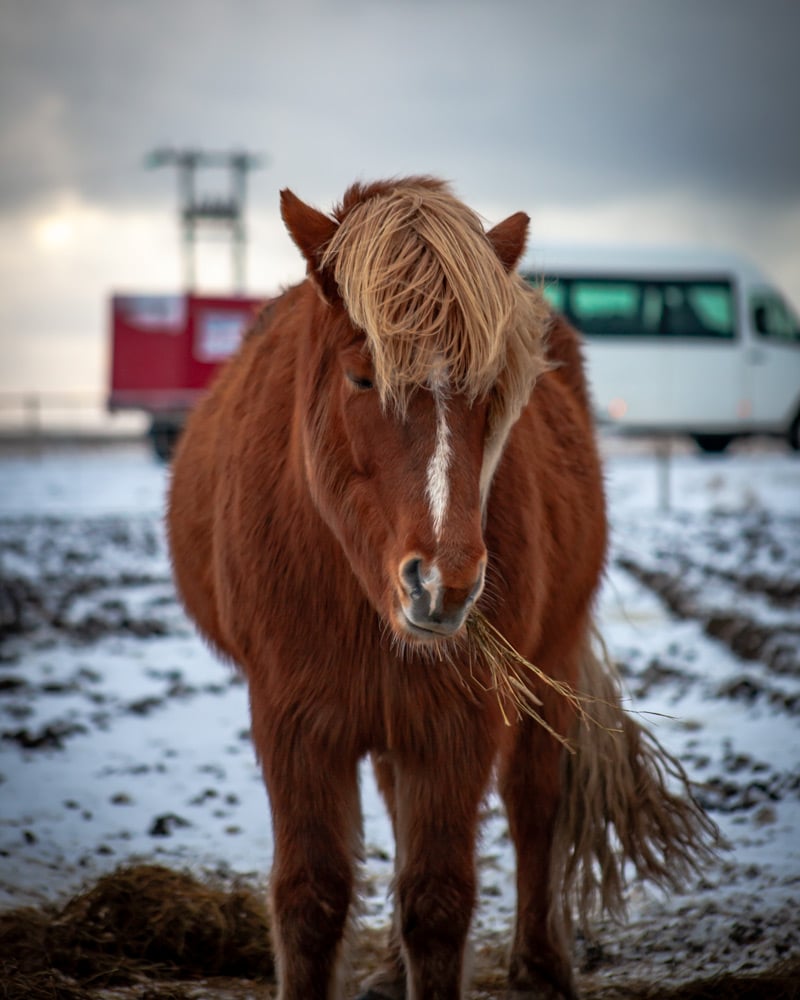
Seljalandsfoss was my favourite waterfall in Iceland. Standing behind the 60-metre plunging sheet of water is something I’ll never forget. You really can appreciate the power of nature when you’re standing in a damp, ancient sea cliff hearing it roar right before your eyes. Powered by meltwater from the Eyjafjallajökull ice cap, it’s simply phenomenal from every angle. I also spotted quite a few fetching Icelandic horses in the area, which added to the magic.
Getting there: It’s a little over two hours by car to Seljalandsfoss from Reykjavík on the famous Ring Road. It’s a must-stop on the journey to Vik or Breiðamerkursandur.
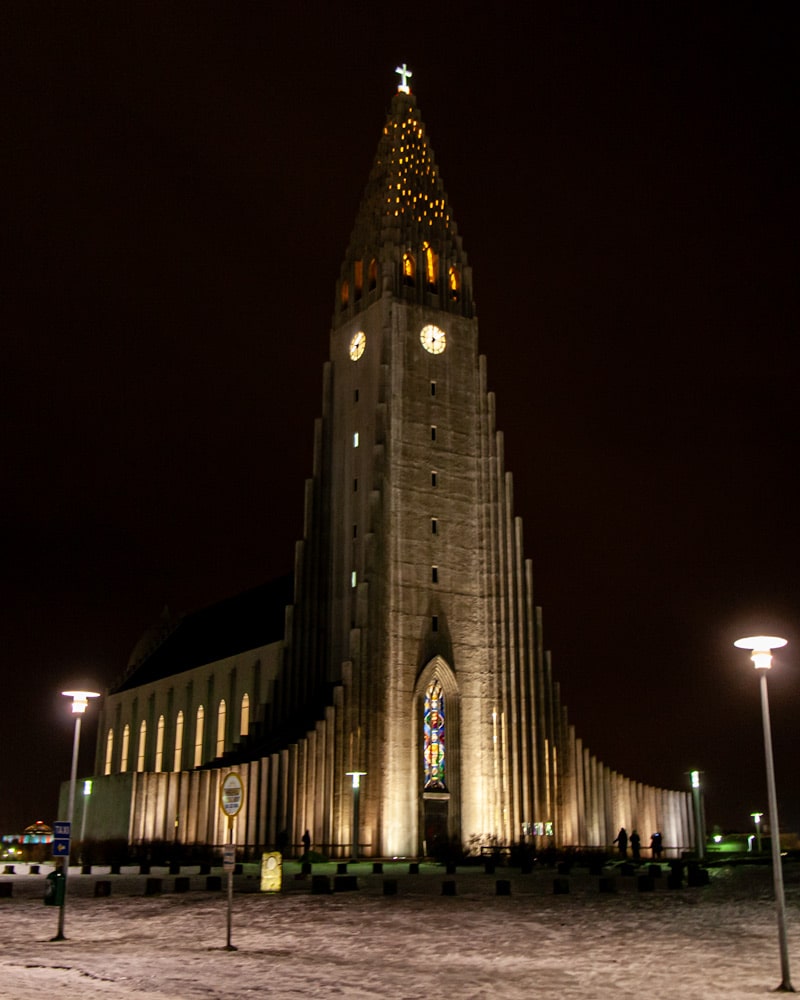
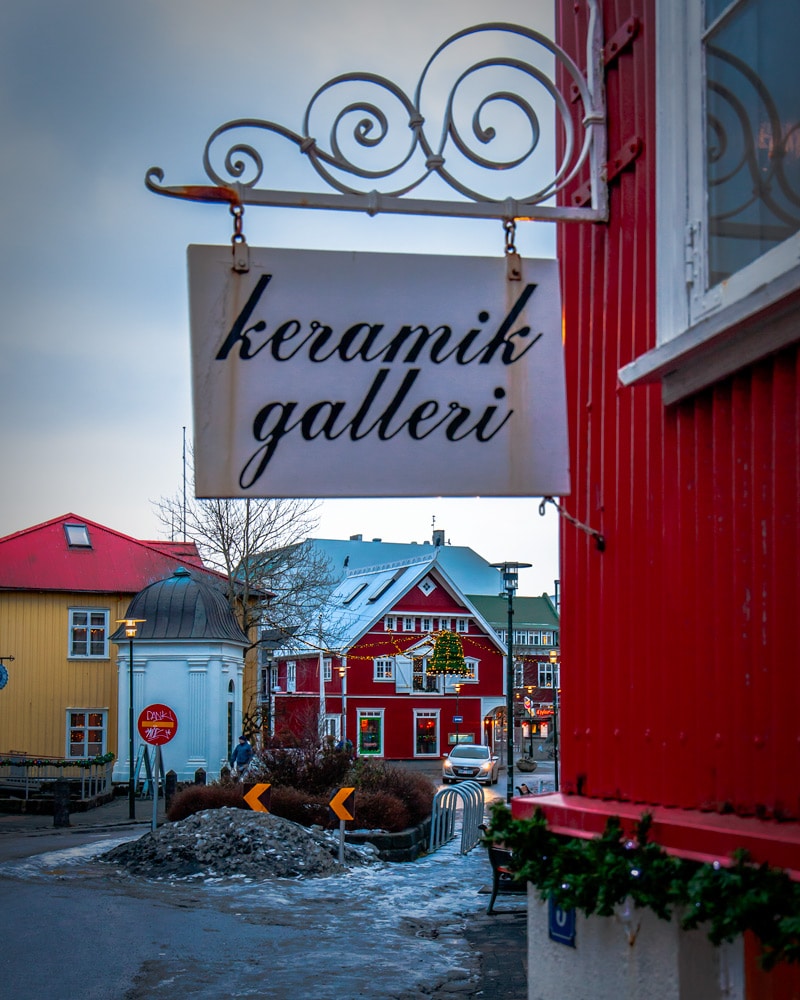
Reykjavik
Iceland’s cute and compact capital is easily explored on foot and, while the island’s nature will steal you away, be sure to leave at least a few hours, or better a full day, to explore the city. I spent New Year’s Eve here a few years back, and it was such a great night, with fireworks and bonfires everywhere and everyone in such good spirits – unsurprisingly, given that over 60% of the county’s population lives in the greater area.
You’ll be treated to colourful buildings, cosy pubs serving eye-wateringly priced craft beers, likely some rock music, and you can learn about the country’s culture and heritage at the National Museum or out-of-town Open Air Museum. Of course, a visit to the landmark Hallgrimskirkja, a 20th-century cathedral with a tiered design, inspired by Iceland’s basalt sea stacks, is a must.
Read more: Awesome things to do in Iceland
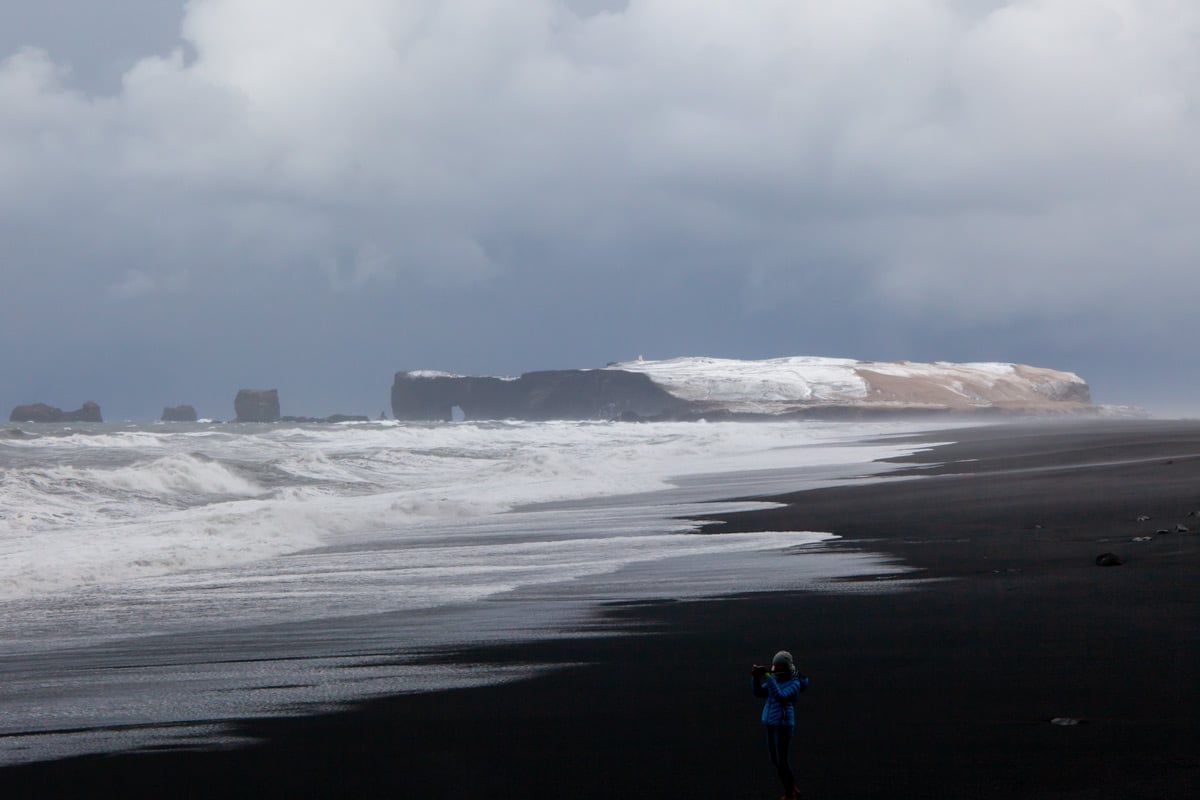
Vik & Reynisfjara Beach
The south coast village of Vik is one of Iceland’s best-known settlements for tourists, though the small village, with its traditional white wooden church, is perhaps best known for its coastline. Nearby Reynisfjara Beach is another majestic stretch of black volcanic sediment sand. Blasted by the powerful Atlantic waves, the untamed setting is made even more impressive by the basalt columns lining the cliffs by the beach – folklore says these rocks used to be trolls.
Getting there: It’s around a three-hour drive on Route 1 to Vik. It’s not a bad spot to overnight if you’re camping in summer. Be mindful if you’re driving further along the south coast, you might want more robust car rental insurance.
Skógafoss
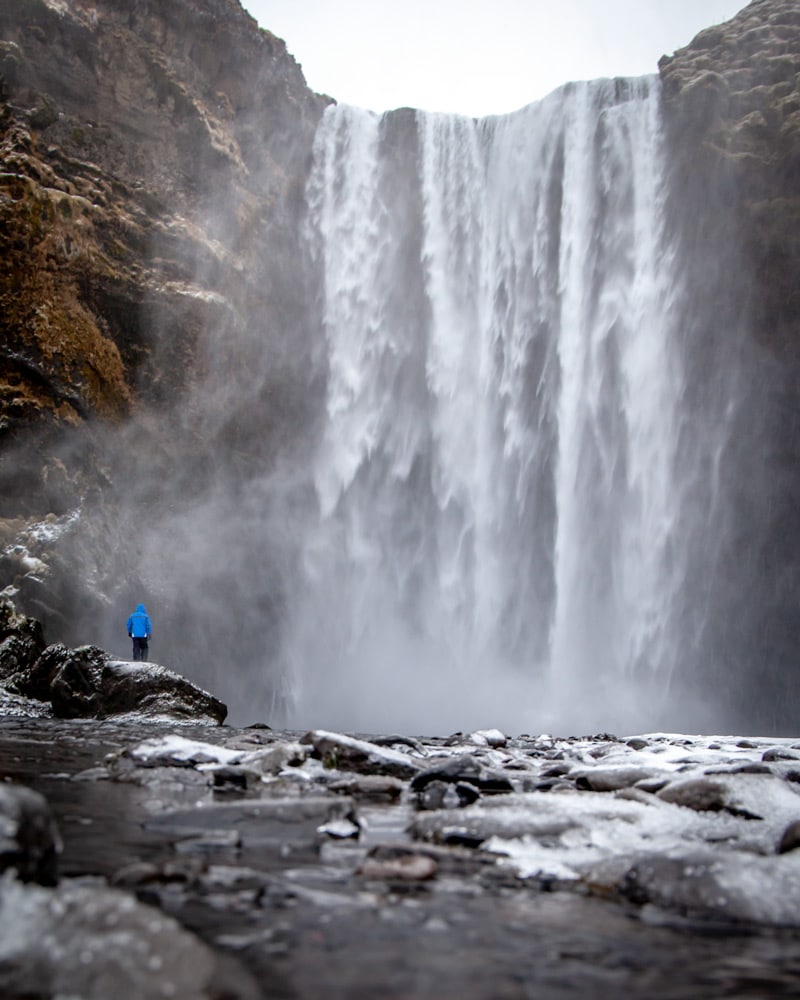
Many of the best places to visit in Iceland are waterfalls, and for good reason. Skógafoss is another sublime carpet of fast-flowing water that crashes down a moss-clad cliff for some 60 metres. If you get lucky and a rainbow appears, you’ll have the money shot. A steep, hewn staircase climbs up one side to provide an alternative aerial angle. Lovely stuff. If you’re visiting in summer, consider tackling some of the Fimmvörðuháls, an epic 25-kilometre linear route that passes between two glaciers. The trailhead is not far from Skógafoss, and while you’ll need a full day to tackle it all, spending a couple of hours going in and outcrashes to see the first Skógá River section – dubbed the “Waterfall Way” – is a nice leg stretch between sightseeing stops. Getting there: Skógafoss is about 30 minutes west of Vik, so make the stop en route to Reynisfjara Beach.


Leave a Reply
Want to join the discussion?Feel free to contribute!