
Australia Travel Tips: Good To Know Before You Go
This website uses affiliate links which may earn a commission at no additional cost to you. As an Amazon Associate I earn from qualifying purchases.
Updated: 24th May 2026

I first visited Australia in 2014 on a working holiday visa, and within seven hours of being in Sydney, I was sure I’d found my forever home. Sadly, life had other plans, but I have been lucky enough to return to Australia eight times since – it really does permanently own a fair chunk of my heart.
I’ve travelled solo in search of quokkas, crossed the country with my parents on a family trip, worked in Sydney’s bars, presented a mini-documentary for Lonely Planet on Aboriginal art, and worked at an Australian tour company. While I’m certainly no all-Australia expert (see: size of the country), I have picked up some tips for travelling in Australia along the way.
Of course, you’ll need a visa, a decent packing list and all that jazz – but beyond the obvious, here are my Australian travel tips for planning a first-time trip to both save money, time, and make the most of this epic destination.
Plan your itinerary before booking flights to potentially save time and money on Asian and eastern Australian connections
This one might sound obvious, but with some creative itinerary planning, you can often save plenty – especially if you plan to head to western or northern Australia. Why? Well, if you’re coming from the UK, you’re going to need a connecting flight – unless you take the non-stop London to Perth flight, which, frankly, sounds an unbearable time to spend on a plane, especially in economy.
So, a stopover is a bright idea. Over the years, I’ve combined my Aussie visits with short stays in Bali, Singapore, Kuala Lumpur and Hong Kong to break up the journey. I also found that it often worked out cheaper to get a return flight to one of those destinations, and then take separate single flights from there to go in and out of Australia. This is especially true for destinations like Perth or Darwin, which are closer to Bali than Sydney, thereby reducing the number of internal flights needed in Australia. Both of these flights can sometimes be booked for under £100 using budget or international airlines (they can become even cheaper if you use a VPN to search from the origin country).
I also always save my British Airways Avios for when I’m in Australia, as points and bargain reward flights offer better value than in Europe. For example, on my last trip, I used the above method via Asia to arrive, and then returned from Sydney to Hong Kong for £130 and 25,750 Avios. However, the real points value is for domestic Qantas flights. The four-hour flight from Darwin to Melbourne, for example, can be as little as £45 with 12,500 Avios.
Basically, compare all the options – especially if you’re planning a stopover trip anyway and you’re flying in and out of different destinations in Australia. Not only can you save this money, but it can shave off flight time going back and forth, giving you more time to enjoy this incredible country.
Consider a VPN if you’re remote working or using social media, following recent law changes
A VPN is always a good idea when travelling. These Virtual Private Networks, installed onto your computer, encrypt your internet traffic and route it through a secure, remote server. It’s both an extra layer of security when using unknown wifi networks and can be helpful for accessing certain websites that might be restricted in your chosen destination – this is especially true in Australia.
Since December 2025, when the country implemented a world-first social media ban for under-16s, these websites now need age verification and ID. A VPN, which can be set to your home country (or elsewhere), removes this hassle. If you’re a remote worker like me, a small business VPN that costs around £10 a month is a solid choice. If you only need it for your trip, most can be subscribed to at a monthly rate of around £8. While this can be left to the last minute, I mention it here as it can be handy for booking tickets from tip one.
When you go is as important as where you go
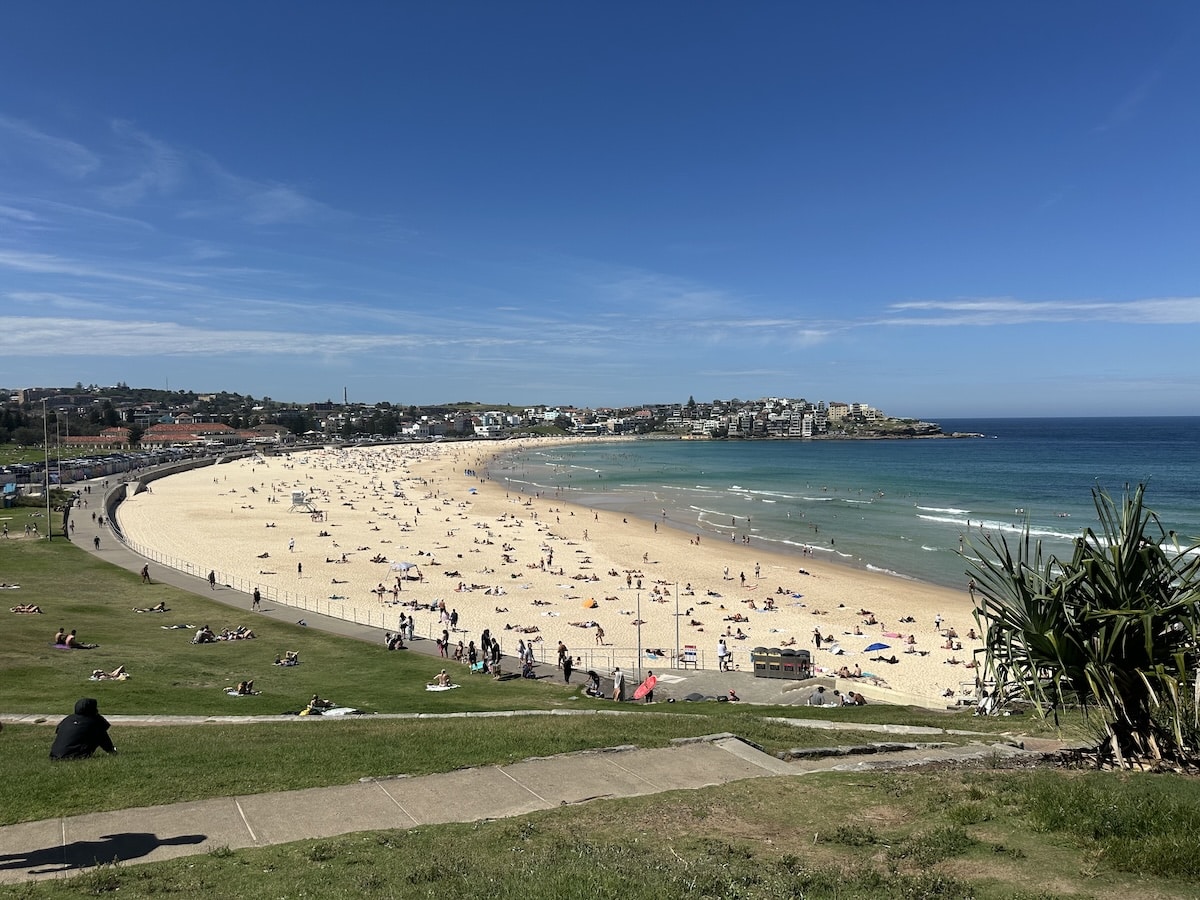
While Australia is often thought of as a year-round destination of sun-kissed beaches and BBQ weather, Australia’s vast size means the climate varies significantly between regions. Planning around this is key, especially if you’re travelling between multiple states. The period during and on either side of Summer (December to February) tends to be the safest option, offering warm, sunny conditions across much of the country, even if Tropical North Queensland sees short bursts of rain.
Winter (June to August), on the other hand, is generally cooler and wetter, especially in the south, and, to some extent, lacks the same energy, though events such as Vivid in Sydney (May to June) can compensate. For a balance of good weather, events, and slightly fewer crowds, the shoulder months of October, November, March, and April are often the best choice.

Unromance getting around: from The Ghan to grand roadtrips, know when to take an internal flight
Getting around Australia can be far less romantic than it sounds, so it’s worth knowing when to rethink your plans. For example, I found the idea of crossing the Outback on The Ghan to be iconic. Still, I soon realised once onboard that while I already knew the budget tickets don’t mean glamorous sleeper carriages, I wasn’t quite prepared to essentially spend over a day at a time in one upright seat, with the same stretch of red desert rolling by. Sometimes, a domestic flight is just the better option.
The same applies to road trips. Driving the East Coast through Queensland might look straightforward on a map, but distances are vast, and the scenery and straight stretch of road can become repetitive over long stretches. Fatigue quickly sets in, and this can be dangerous. If you still want the journey without the strain, long-distance buses let you break things up without being behind the wheel – or make sure you plan in enough stops to stay safe. Again, a flight might be the best option, especially on a tighter itinerary.
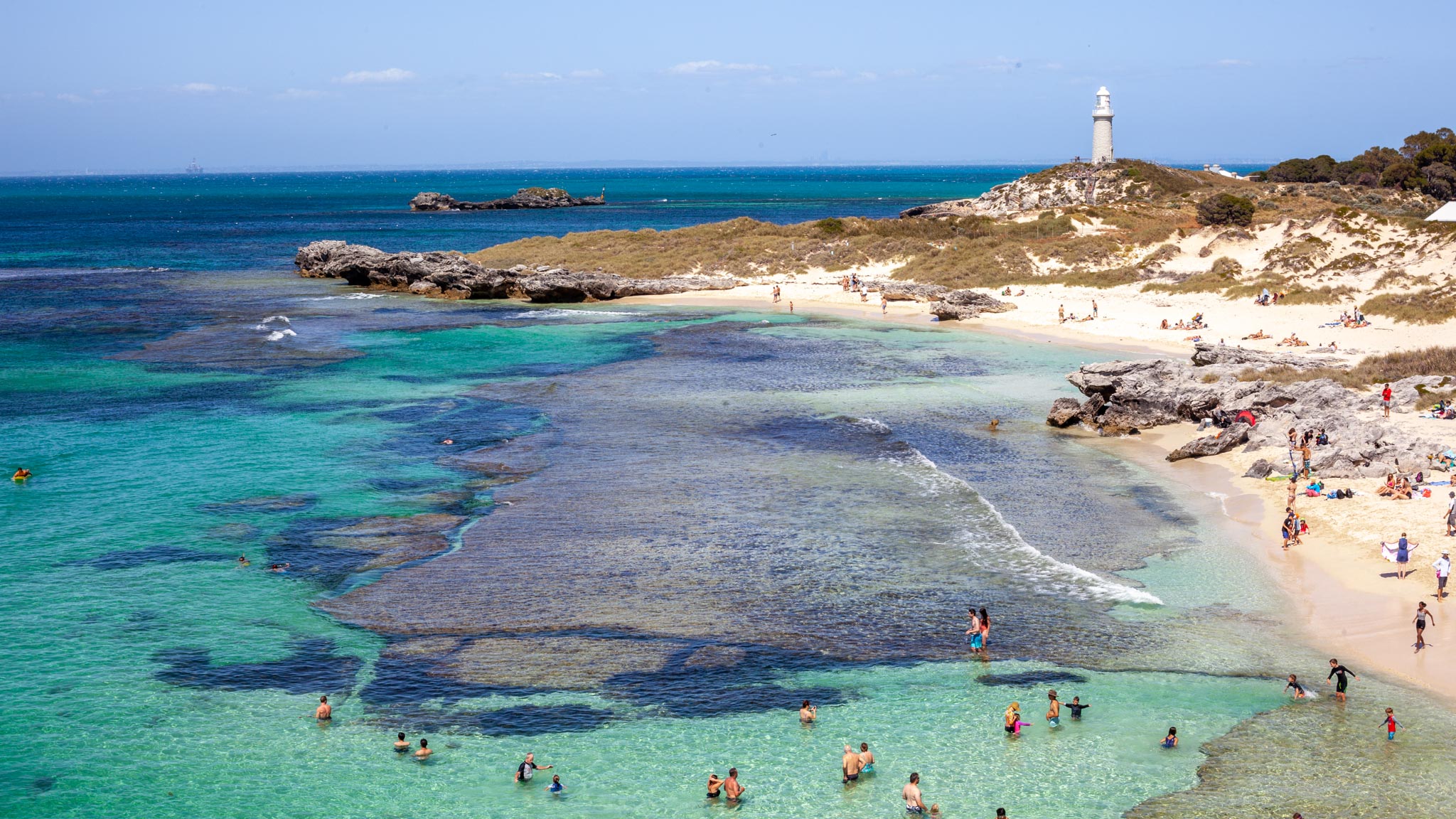
Accommodation is going to eat into your budget, but backpackers are a blessing
Accommodation in Australia can quickly eat into your budget, especially in major cities and popular coastal spots. Prices are consistently high, and even mid-range options either feel overpriced or low quality. This is where backpackers really come into their own. Far from basic, many offer clean, comfortable rooms, social atmospheres, and excellent facilities, from shared kitchens to organised tours. They’re also a great way to meet other travellers, particularly if you’re exploring solo, which can also help to cut costs on sharing gas, hitching a ride, or taking a tour together.
What I really appreciated about backpackers in Australia and New Zealand is that many, especially outside the large cities, are super laid back and really quite different to European-style hostels. This is especially true in nature, or near hiking destinations, where it’s usually an early-rising crowd rather than a rowdy late-night setting. If you’ve never stayed in a hostel or similar before, chances are you’ll be quite pleasantly surprised by most Aussie backpackers.

Stay safe when swimming: flags and nets are your friend
Swimming in Australia is one of the great pleasures of any trip, but it’s essential to do so safely. The most important rule is to always swim between the red and yellow flags. These mark the areas patrolled by lifeguards and, just as importantly, the safest parts of the beach, where currents and rips have been assessed. Outside of the flags, conditions can change quickly, and even strong swimmers can get into trouble.
Rips are common on Australian beaches and can be difficult to spot, which is why sticking to flagged zones is so strongly encouraged. Lifeguards are not only there to respond to emergencies but to prevent them, constantly monitoring the water and adjusting the flagged areas throughout the day. Use the Beachsafe App to monitor real-time conditions.
In the tropical north, particularly in Queensland, marine stingers can also be a concern. Many beaches here use protective nets during stinger season, creating safer swimming enclosures.
Make time to learn about Aboriginal and Indigenous cultures in a respectful and mindful way
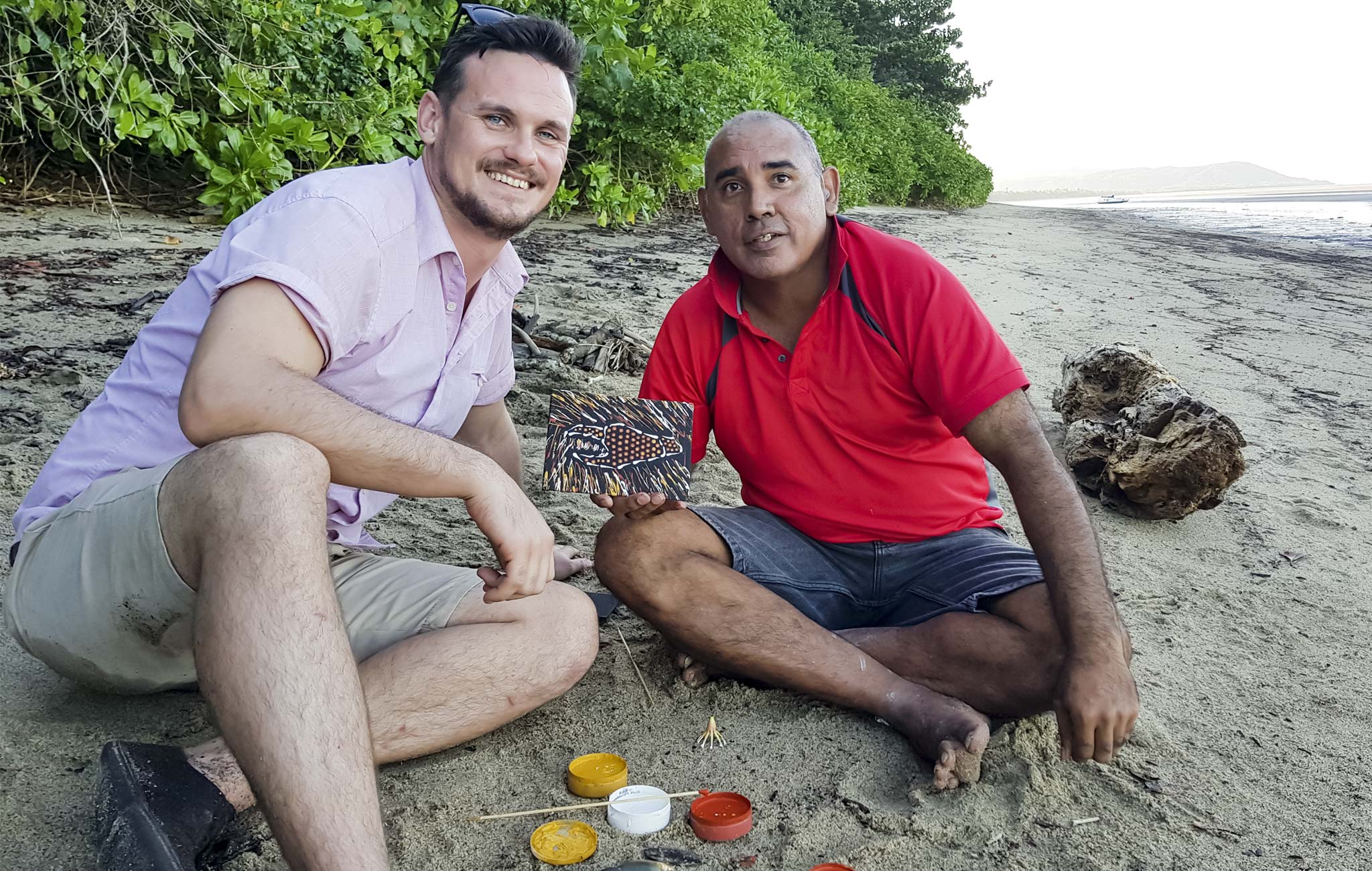
What I treasure most from my time in Australia is the stories, knowledge and education shared with me by Aboriginal and Torres Strait Islanders: tearful lectures at the Nintiringanyi Cultural Training Centre in Cairns, dot art workshops in Mossman and late-night conversations on K’gari. There are a multitude of ways to respect, learn and visit Aboriginal communities and doing so mindfully will elevate your trip and understanding of what is now known as Australia to no end.
One of my favourite experiences was at Kuyu Kuyu (Cooya Beach), northwest of Port Douglas, which has provided sustenance and medicine for the Kuku Yalanji people for longer than we’ll know. A walk with the Kubirri Warra brothers here, on a shoreline stroll, tiptoeing mudflats and paddling mangroves, covers citrus-tasting ants, restorative coastal flora, and crab spear-throwing in the shallows. The brothers’ heritage tours are hands-on, thought-provoking and humorous. Afterwards, capture a motif memory on canvas with acclaimed Aboriginal dot artist ‘Binna’ Swindley at his Janbal Gallery, using natural pigments to paint this distinctive technique.



Leave a Reply
Want to join the discussion?Feel free to contribute!