
Iceland Car Rental Insurance: Choosing The Right Cover
This website uses affiliate links which may earn a commission at no additional cost to you. As an Amazon Associate I earn from qualifying purchases.
Updated: 23rd July 2026

You’ve picked out the best places to visit in Iceland, planned your itinerary, and are now booking your car hire. But perhaps, like I was, you’re now scratching your head over the different coverage options – what even is Sand and Ash Protection, anyway? Yes, driving in volcanic Iceland can be wildly different from back home.
What insurance you need to rent a car in Iceland can be broken down into mandatory and optional – the latter decision impacted by your planned route, time of year, and how much risk you want to take. Alongside the basics, such as Collision Damage Waiver, you’ll likely want to add on at least Gravel Protection. And if you’re thinking, well, I’ve already got my own Excess Insurance or Worldwide Car Rental Cover anyway, you’ll need to read the small print; many policies don’t include localised specialist cover like SAAP. Knowing which policies provide genuine value — and which are often optional extras — will save you money.
*All information included in this article is provided as general travel advice; I’m a blogger, not an insurance broker. Ultimately, only you, as the driver, will know the types of cover you’re most comfortable with taking out.

Different insurance types
Alongside the mandatory insurances as dictated by law – third-party liability and driver accident insurance – which are included in the base price, the following add-ons are the extras you’ll need to consider.
Collision Damage Waiver (CDW)
CDW is the most typical additional Iceland car rental insurance package (although it’s technically a waiver of additional costs, rather than insurance cover) and is usually, but not always, included in the quoted rental price. It limits your financial liability if the vehicle is damaged in a collision. Still, check the details. “Included” might not mean fully covered, as the excess (deductible), meaning the repair costs you will be responsible for covering, can be high. Super CDW (see below) can remove that extra risk.
Gravel Protection (GP)
In my view, Gravel Protection is absolutely worth it. Many roads in Iceland are paved with loose stones, and the annual works to repair damage often caused by stone cover can also mean even major roads run a risk. This handy, live map by the Icelandic Road Administration shows where there’s a risk of gravel at any given time. This can soon lead to body or light damage, or worse and more costly, glass damage. Even at home in Portugal, where there are plenty of gravel roads, I’ve been unlucky enough to have two incidents of a cracked windscreen for similar reasons, and after learning from the first costly mistake, I now always add on this cover. If you’re not planning to leave the city, you might be fine – but for longer trips, especially to more remote areas like the Westfjords or a full Ring Road trip, it’s worth seriously considering.
Sand & Ash Protection (SAAP)
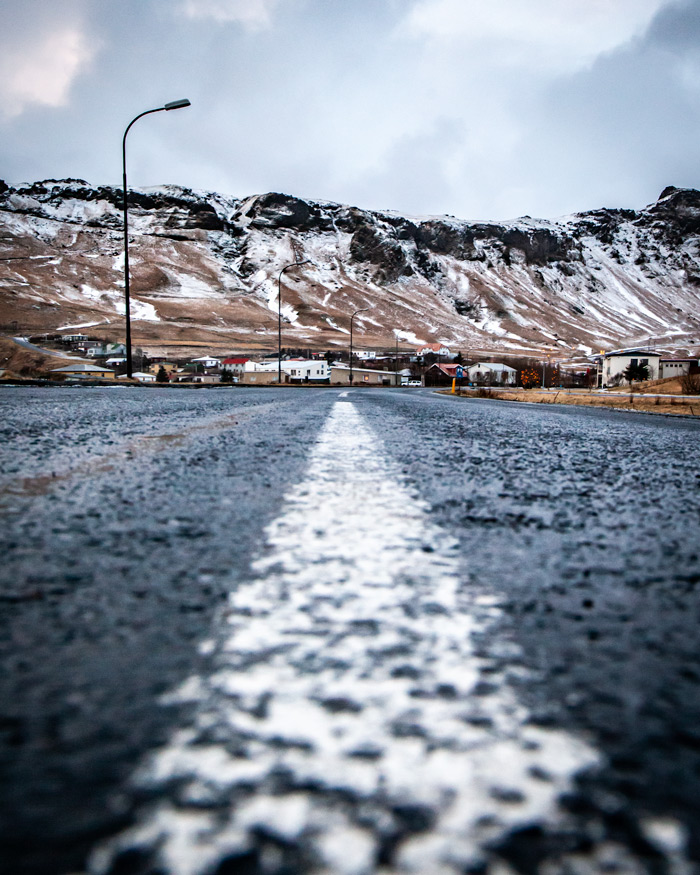
Sand & Ash Protection is one of Iceland’s most unique insurance products, and whether you opt to take the added extra will largely depend on where your Iceland road trip will take you. Volcanic ash and sand can be abrasive to nearly every part of the car, though the risk is highest when there are strong wind storms outside of summer. Consider taking it if you’re driving out to more exposed regions, such as on the south coast downwind of volcanic deserts.
Theft & Super CDW/Zero-Excess
Iceland is one of the world’s safest countries – and it’s an island – so thankfully vehicle theft is uncommon. Make your own decision. Opting for zero-excess, sometimes called Super CDW, is another option to either heavily reduce, or essentially zero-cost, what you’ll be charged if a claim is made. It’s basically a matter of weighing up the risk of damage based on seasonality, route and how confident a driver you are, with the added extra cost.
What’s never covered (F-roads and river crossings)
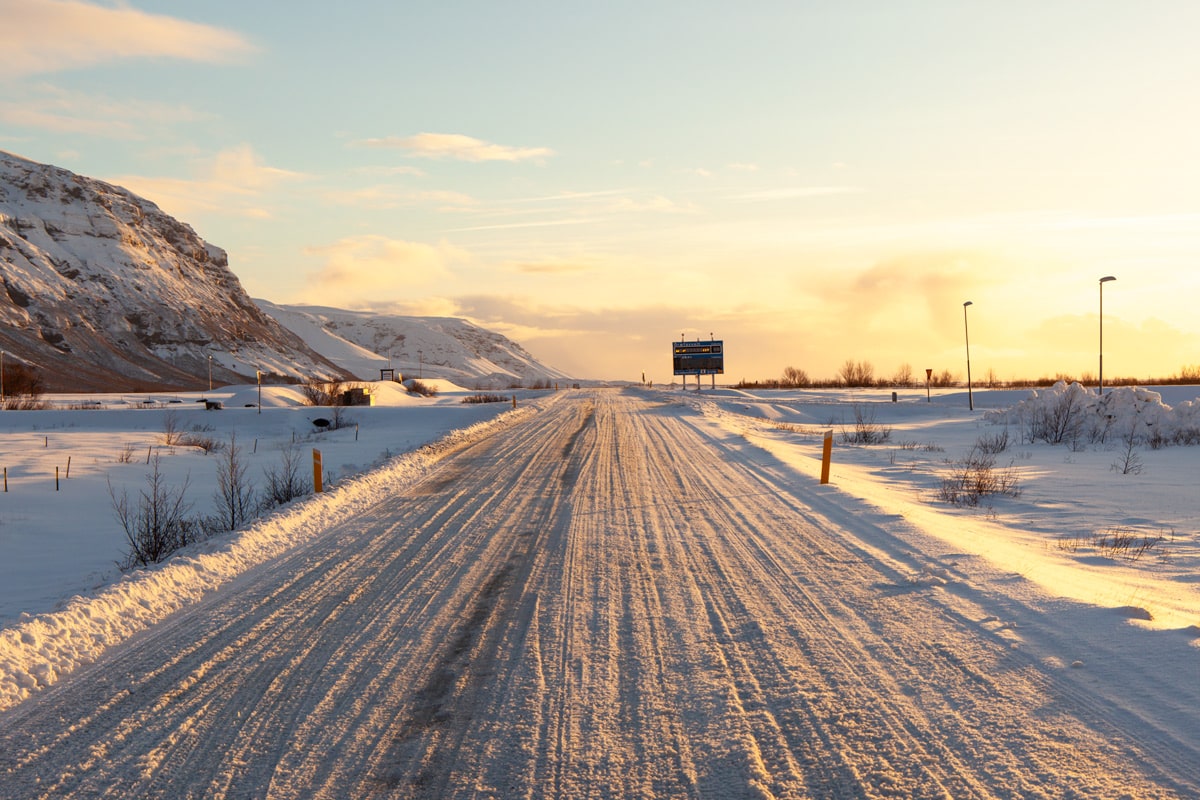
Iceland’s Fjallvegur (F-roads) are rural, mountainous routes that are only open when conditions allow (summer) and are gravel or dirt tracks, often with potholes, river crossings and other potential obstacles. Access is largely restricted to four-wheel drive vehicles by law, and as such, if you take a standard car on these roads you will usually instantly void all insurance cover. Don’t do – it’s dumb and not worth the risk.
If you hire an approved four-wheel drive, you still need to ensure your rental agreement allows you to take the vehicle on these roads. It’s not a given. Similarly, it’s rare that any insurance policy covers damage due to river crossing, such as water damage, or to the underbody. So, know the risks, both financially and physically. Current highland road conditions can be checked on the safetravel.is platform.
Which cover is worth it — and which is an upsell
Car hire and then the added cost of insurance can have a big impact on a budget trip to Iceland. Which insurance to take out ultimately comes down to you, your trip, and your confidence. Therefore, no one can really give another driver the “best advice” on what cover is worth taking out, and which upsells to skip.
That said, the most sensible option would be to have CDW and GP regardless of car, seasonality and route. I also nearly always take out zero-excess cover as, while it’s a chunkier investment, I’ve been burned before due to damage that was no fault of my own, and in pricier countries like Iceland, the repair costs can really add up. Sand & Ash Protection is a decision entirely dependent on you and your route. Still, if you’re travelling in winter – where trust me, the conditions can change and become shocking hour-to-hour – you might want to invest some of the money you’ve saved by coming off-season into all and every cover.
What it actually costs – and finding the best deals
Prices vary by season, vehicle category, and rental company, but these are typical daily ranges:
- CDW (Collision Damage Waiver): Often included
- Gravel Protection (GP): Roughly 1,100-2,500 ISK per day (approximately $9-19/£6–14 GBP)
- Sand & Ash Protection (SAAP): Roughly 1,600-3,600 ISK per day (approximately $13-27/£9-21)
- Super CDW / Zero Excess: Roughly 2,100–5,000 ISK per day (approximately $17-38/£13-29)
For a week-long rental, insurance costs can easily add the equivalent of £50–£200 or more to the final bill, depending on the combination selected. Often, the cheapest base rate has the priciest insurance cover, while some bundled options can be more affordable than adding on individual cover items. This is why it’s always worth taking the time to compare Iceland car rentals and clicking beyond the headline base to see what the extra costs will be at the trip planning stage. Otherwise, you might find your on-the-ground budget is blown when you go to make the car hire booking, or worse, when faced with these extra costs at the collection desk.



Leave a Reply
Want to join the discussion?Feel free to contribute!