
How to Travel Responsibly in Spain: Tips From a Local
This website uses affiliate links which may earn a commission at no additional cost to you. As an Amazon Associate I earn from qualifying purchases.
Updated: 10th August 2026

Spain’s tourism success has, unfortunately, had its consequences: mass tourism, seasonality, tourist and commercial gentrification, and damage to ecosystems and heritage, amongst others. Notably, the focus on sun and beaches that emerged in the late 1960s – a legacy of the dictatorship – has persisted for decades.
In recent years, the government’s tourism promotion strategies have focused on diversifying destinations, reducing seasonality and encouraging slow, sustainable travel; however, after more than half a century of an unsustainable tourism model, citizens are constantly taking to the streets of Spain’s major tourism destinations – which are suffering the consequences – to demand a shift towards a more sustainable and responsible model.
Your actions can make a difference. Here are some tips to help you travel responsibly in Spain on your next trip.
Travel to off-the-beaten-path destinations
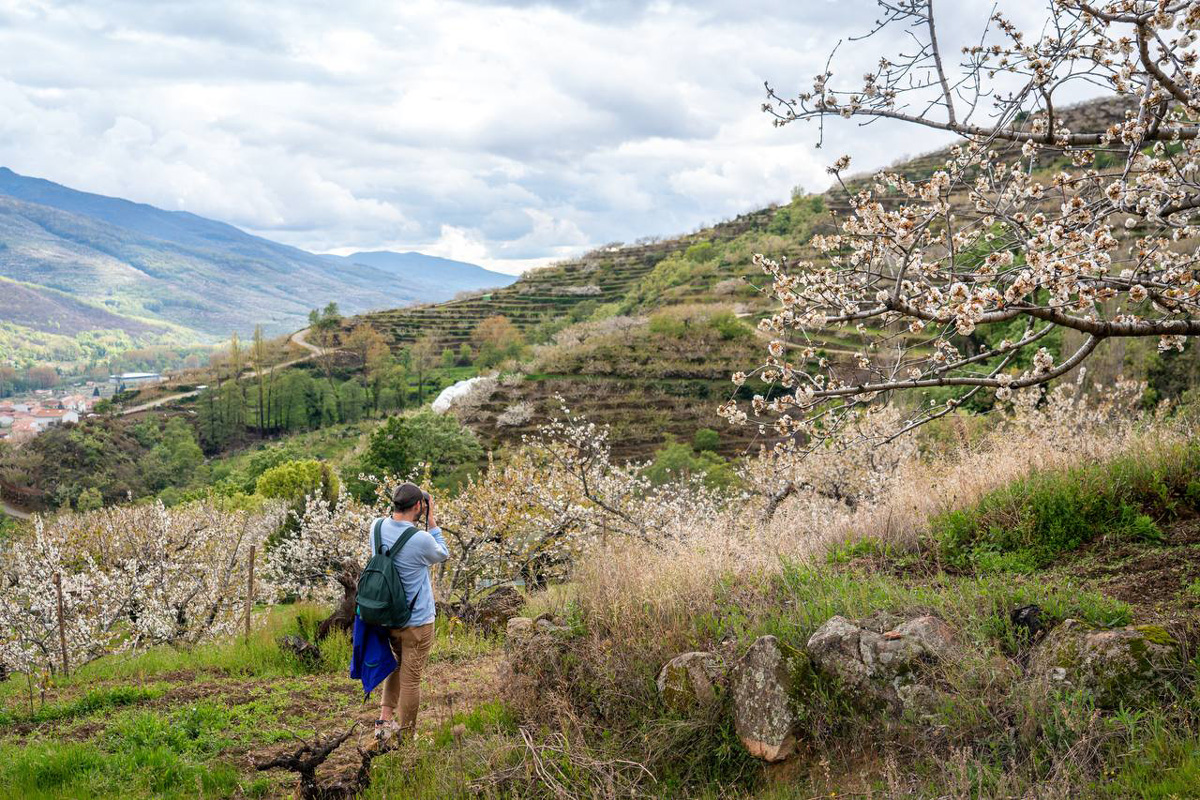
The appeal and diverse cultural and culinary offerings of Madrid and Spain’s major cities, such as Barcelona, Valencia and Seville, are undeniable. And we all agree that the beaches of Málaga, Mallorca, Ibiza, Gran Canaria and Tenerife are spectacular. But there are many more destinations to discover in Spain, as its rich cultural and natural heritage is spread throughout the entire peninsula and its archipelagos.
For example, if you travel to Extremadura – my region – you’ll find the ruins of Emérita Augusta, Lusitania’s provincial capital built as an idealised model of ancient imperial Rome in what is now Mérida; Europe’s largest and most impressive Arab Alcazaba in Badajoz; and Spain’s best-preserved medieval and Renaissance architectural complex – and the third best-preserved in Europe – in Cáceres, to name but a few places.
When planning your next trip to Spain, I recommend getting hold of a map (if you don’t have a paper copy, print one out), circling the cities you’re familiar with and looking for nearby alternatives. How about Madrid and its Royal Palace? Stay in Segovia and visit the majestic Royal Palace of La Granja de San Ildefonso. If you’ve been thinking of Barcelona for its architecture and connection to the Mediterranean, why not travel to Tarragona and admire its monumental Roman Amphitheatre with the Mare Nostrum in the background? Has Valencia crossed your mind? Give Castellón de la Plana a go. Fancy some tapas in Seville? Head to Jaén or Granada for tapeo – once you see the variety and size, you’ll thank me for it!
Pick aparthotels over private apartments
Much of Spain’s recent overtourism protests have centred around the housing crisis. Cities such as Madrid, Palma de Mallorca and Barcelona – where the Mayor has announced a short-term rental ban from 2028 – are seeing their historic centres transformed by lockboxes and private tourism rentals, while more and more residents are being pushed out or facing sky-high rents. Therefore, camping or staying in rural guesthouses and eco-hotels are some of the most responsible and sustainable accommodation options.
If you prefer an apartment due to travelling with your family, on business, or for extended self-catering stays, consider booking an aparthotel rather than a private apartment rental or Airbnb. It’s the best way to adapt to upcoming rental bans and be a more responsible visitor, and they combine the best of both worlds: aparthotels have a reception, offer privacy and plenty of space – and in some, such as Lugaris’ holiday apartments in Barcelona, you’ll even have a beach view and a pool while still being minutes from the action.
Choose shoulder season and off-season over high season
In general, summer in Spain is the peak season. It’s a bustling time, particularly in coastal cities and towns. As a result of climate change, temperatures are rising, and wildfires are becoming more frequent. All this, combined with the crowds, can quickly ruin a relaxing holiday.
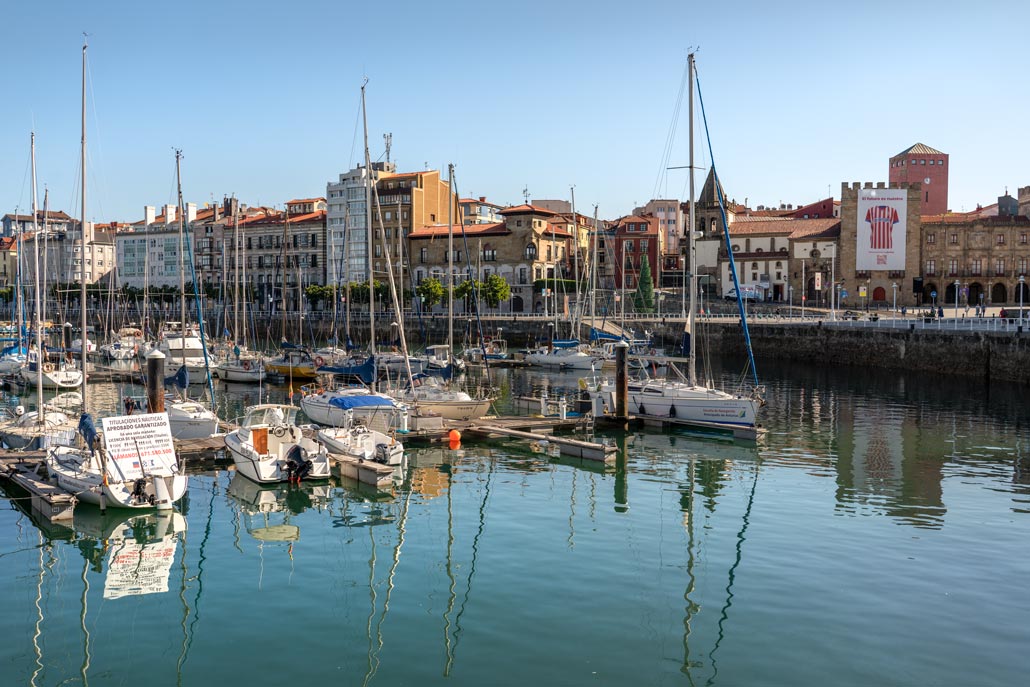
I’m not saying you shouldn’t travel to Spain in the summer – especially if you can’t visit at any other time – but you should bear this in mind when choosing your destination. The Mediterranean coast is very busy, so why not opt for the fresher, more relaxed Galician and Cantabrian coasts in northern Spain instead, or give the inland beaches of Extremadura – the Spanish region with the longest freshwater coastline – or Aragón a go?
In any case, it’s best to travel during the shoulder season (Mainland Spain: March to May and September to November; Balearic Islands: April to May and October; Canary Islands: May to June and September) and off-season (Mainland Spain: December to February, Balearic Islands: November to March), as you’ll find a more relaxed Spain with less packed beaches, and you’ll be helping to ease the seasonal pressure that many destinations face. Don’t forget that the peak season in high mountain destinations spans both winter and summer, so if you want to go on more peaceful caminos and connect with nature in tranquillity, travel in spring or autumn.
Slow travel or travel by region
How many times have you heard the phrase ‘less is more’? If you have a week’s holiday (or even a month), it’s best to travel slowly around Spain. Not only is it more sustainable, but it will also allow you to really get to know the destinations, savour them and live unforgettable experiences.
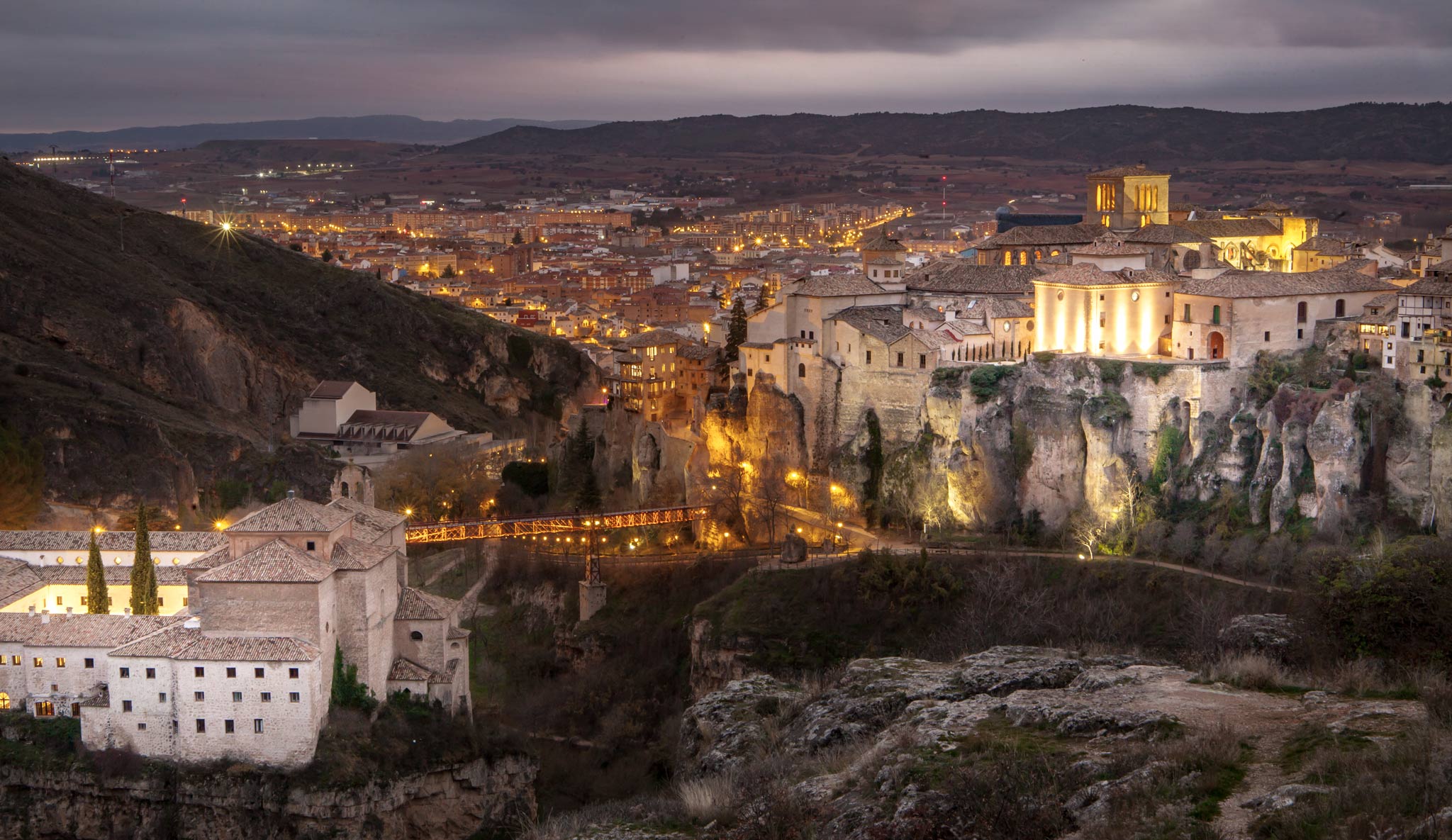
If you’ve got a whole week and want to visit several cities, why not choose a region instead and stay in a couple of cities for a few days, travelling by train or bus? For instance, in Castile and León, you can pick Salamanca and León or Cuenca and Toledo in Castile-La Mancha. I can assure you from experience that it will be a very enriching journey, as you’ll have time to appreciate the scenery and architecture, enjoy some local cuisine, go on a wine tasting or take part in outdoor activities at a leisurely pace – and, if you’re lucky, you might even make some local friends.
Contribute to preserving habitats
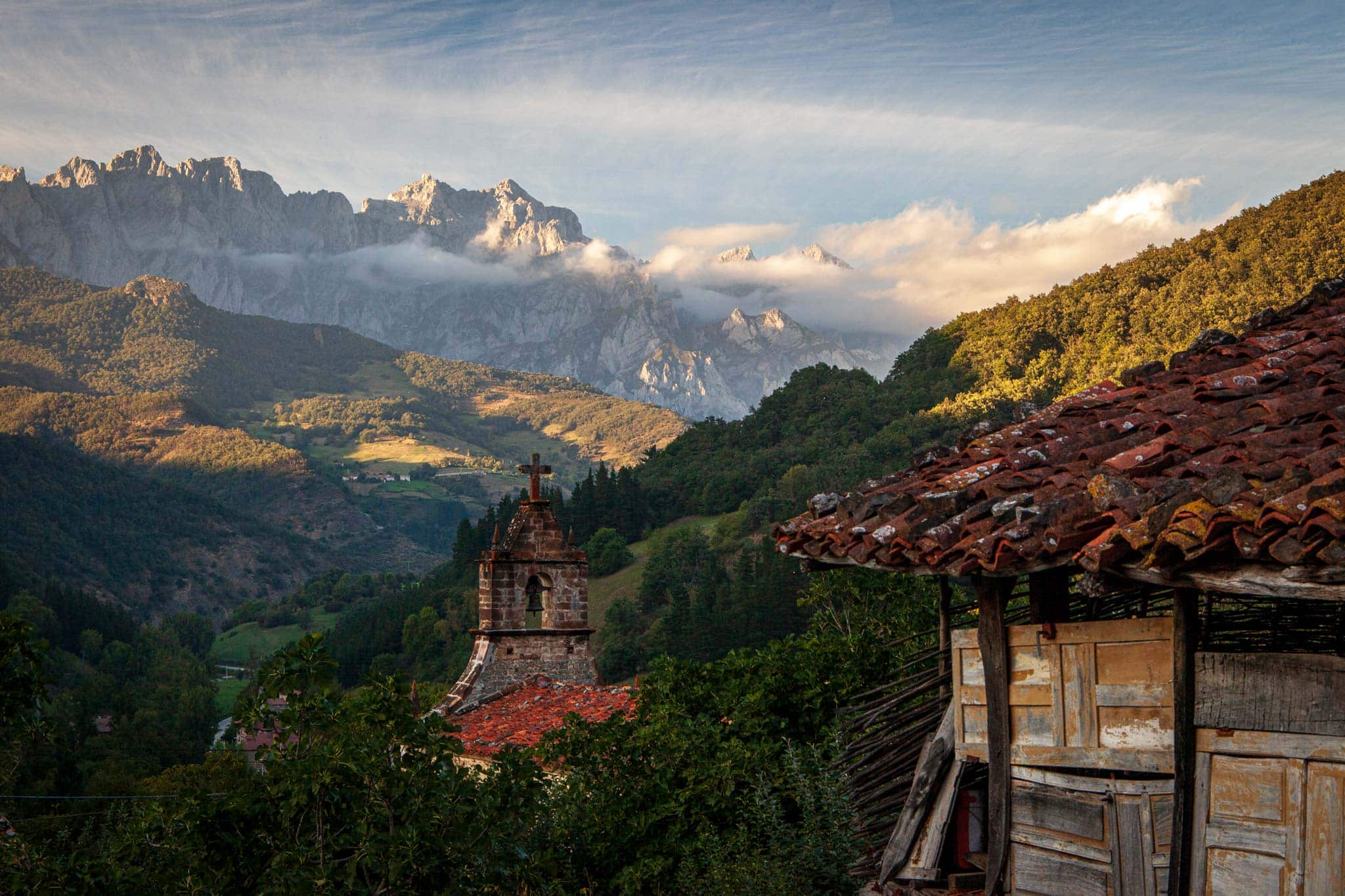
Spain leads the UNESCO World Heritage list with 55 Biosphere Reserves. In addition, 18.7 million hectares are protected in Spain (36.9% of the total land area), which is equivalent to the combined area of Scotland, Wales and Northern Ireland, and more than half of England.
It also boasts 18 Geoparks and 16 National Parks, natural environments of exceptional beauty and global significance, such as Garajonay National Park, preserving a dense laurel forest that once covered southern Europe millions of years ago, and Monfragüe National Park, home to the world’s largest expanse of virgin Mediterranean forest and a sanctuary for black and griffon vultures, imperial eagles and more than 200 bird species.
These habitats are biodiversity strongholds, particularly for threatened and endangered species, so please ensure that your incursion into nature is as respectful and as non-invasive as possible. Therefore, keep quiet, stick to the marked paths and do not litter. Choose certified regional or local ecotourism operators for guided tours, as they not only provide high-quality insights and take you to the finest places to observe flora and fauna without disturbing them, but also help preserve ecosystems and the natural and scenic heritage.
Although it’s inevitable to focus on the national parks, Spain has 154 natural parks and over 350 natural monuments that stand out for their uniqueness, which you should consider visiting as an alternative to avoid overwhelming crowds that affect wildlife. Sierra de Gredos (Ávila) and Sierra Nevada (Granada) natural parks are among my favourites.

Use high-speed rail and multimodal transport rather than domestic flight
Yes, flights are usually cheaper and quicker than journeys by high-speed train. But if you think about it carefully, when you factor in the cost of the shuttle to the airport and from there to the city centre, add in the transfer time, the time required for security checks and boarding, and the environmental impact, domestic flights aren’t actually that cost-effective.
The high-speed rail network in Spain – and in most European countries – connects the main cities in a matter of hours and is the most sustainable option. The AVE (short for ‘Spanish high-speed’) from Seville to Madrid takes just under three hours, and you can travel from Madrid to Barcelona in approximately 3h30.
If time allows when planning a visit to the island regions (the Canary Islands and the Balearic Islands) and the autonomous cities of Ceuta and Melilla, consider travelling by ferry. Apart from being a sustainable option, it guarantees you an unforgettable journey – especially if you’re lucky enough to spot dolphins or whales. The ferry journey to the Canary Islands from Cádiz or Huelva takes between 30 and 40 hours, and between 2 and 9 hours to the Balearic Islands from Barcelona, Valencia and Dénia (Alicante); and you can even travel by ferry between the islands within both archipelagos. So there are no excuses: avoid domestic flights in Spain!
Help to protect national and local heritage
Spain’s rich cultural heritage ranges from Palaeolithic cave art and Neolithic dolmens to Modernist and avant-garde buildings. But it also includes priceless artefacts in various regional and local museums.
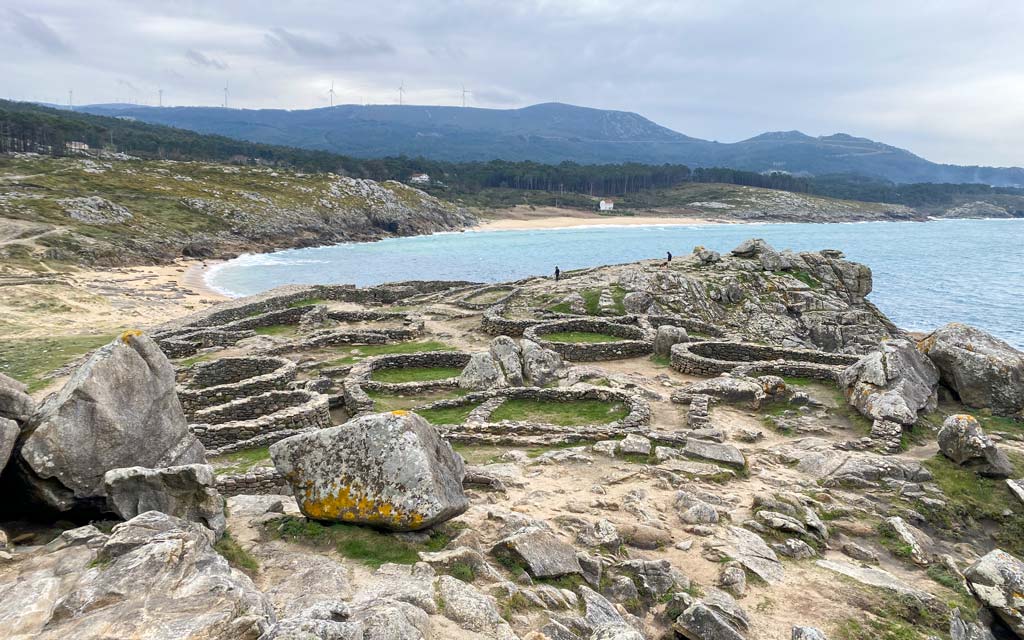
Furthermore, there are many archaeological sites from different civilisations across mainland and insular Spain that serve as open-air museums, such as Galicia’s Celtic Castro de Baroña and Extremadura’s Roman archaeological ensemble of Mérida. I urge you not to touch the exhibits in museums or the monuments. This may seem like common sense, but, as I often say, “common sense really isn’t that common”, as I have, unfortunately, seen far too many people doing just that. Joining one of the interpretive tours, such as the Museo del Prado’s guided visits, will also bring the nation’s history and heritage to life.
Enjoy Spain’s best local products while supporting the local economy
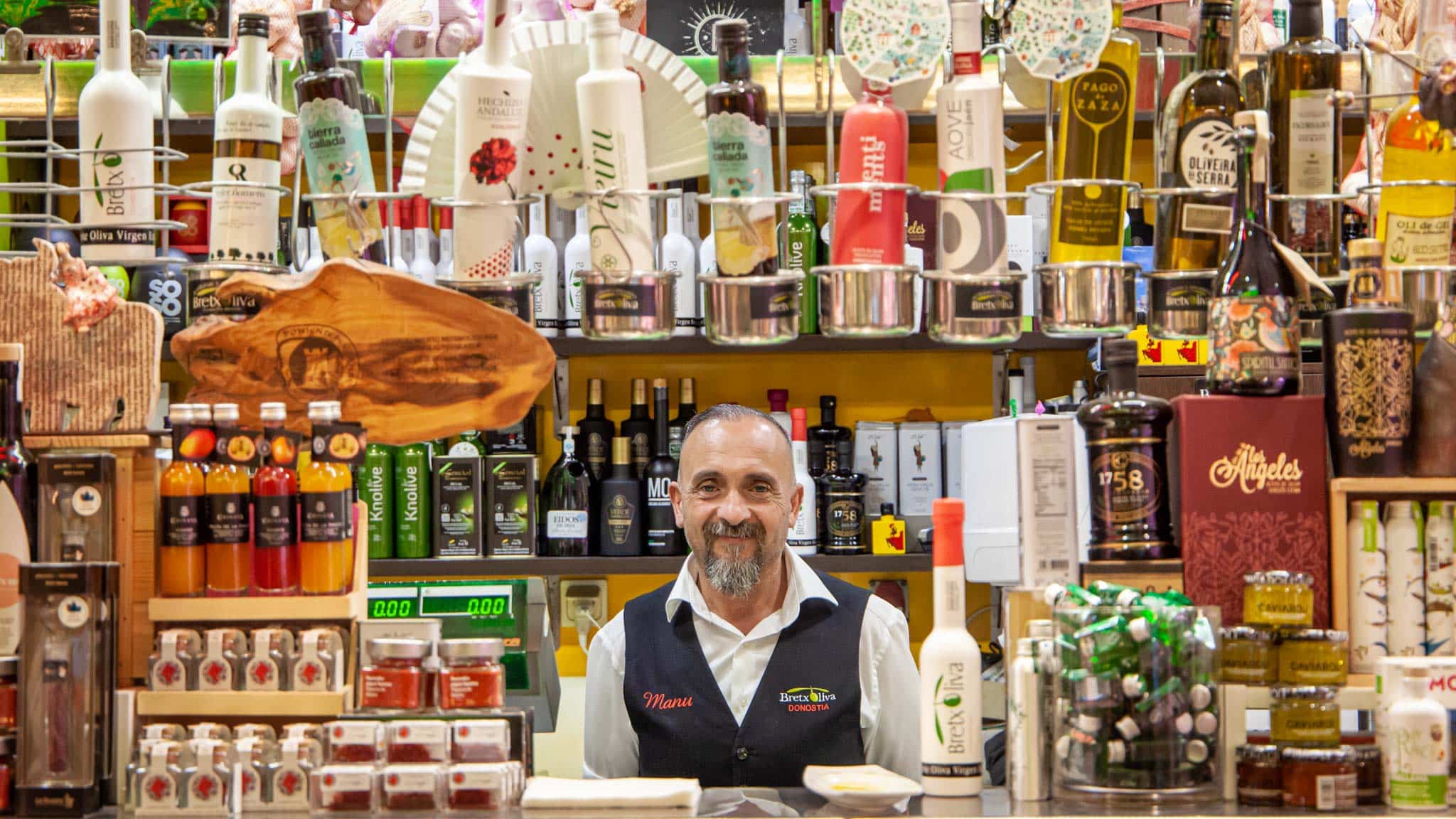
Spain’s success as a tourist destination has been accompanied by consequences such as commercial gentrification: the reconversion and closure of “negocios de toda la vida” (longstanding and family-run businesses) in favour of standardised souvenir shops, luggage storage facilities, specialist coffee shop chains, brunch venues and fast-food restaurants, amongst others.
Through straightforward actions such as buying a handcrafted souvenir, having breakfast at a local café or bakery (panadería and pastelería), doing your shopping at greengrocers, corner shops (colmado or ultramarinos) and local markets (mercado) or buying books from independent and second-hand bookshops and sampling regional culinary specialities at family-run restaurants, you’ll be supporting the local economy and contributing to its survival.
Be kind to locals
It never goes amiss to remember this. Always greet people with “¡Hola!” (Hello!) or “¡Buenos días!” / “¡Buenas tardes!” (Good morning! / Good afternoon!) in Spanish – or their equivalents in the co-official languages of the autonomous community you’re in, such as Catalan or Euskera – and, depending on the circumstances, accompany them with “por favor” (please) and “¡gracias!” / “¡muchas gracias!” (thank you! / thank you very much!).
But above all, be empathetic and respectful. Always bear in mind that the charming and remarkable towns and cities you visit are home to someone. The squares and parks are places where locals spend their leisure time every day, regardless of how photogenic they may seem to you.
So if at any point you feel an irresistible urge to take a photo or a video of a colourful house, a picturesque street or even people going about their daily lives, ask yourself: Would I like it if someone came to take photos right outside my front door, in my garden or on my street? Would I feel comfortable if someone filmed me whilst I’m having a coffee, reading a book in a park or sunbathing on the beach, and then see it on social media? Ultimately, travelling responsibly boils down to returning the warm welcome, hospitality and kindness you have received with even greater kindness, respect and gratitude.
Following these tips will ensure you travel to Spain responsibly and help reduce overcrowding, thereby contributing to a shift in the current tourism model towards one that is more sustainable and respectful of Spaniards.



Leave a Reply
Want to join the discussion?Feel free to contribute!