
First-Time Guide to Jamaica: Top Experiences & Planning Tips
This website uses affiliate links which may earn a commission at no additional cost to you. As an Amazon Associate I earn from qualifying purchases.
Updated: 15th June 2026

Jerk chicken (yum), reggae and endless swathes of paper-white sand are likely what come to mind when you think of Jamaica. Yet this Caribbean island has plenty more culture and heritage to learn and appreciate beyond Bob Marley’s excellent discography. From the history of the Maroons to Dancehall, ecotourism sights to Kingston’s creative revival, any first-time visit to Jamaica should stray well beyond the shoreline.
I was lucky enough to spend a month on a filming project in Jamaica that took me well beyond the typical tourist trail, meeting alabaster artists, the deaf community building Deaf Can! Coffee, and those creating a more sustainable future for tourism. But even if you’ve only five or seven days to soak up all that Jamaica has to offer, I hope this guide to Jamaica will help you to maximise your time – if you can pull yourself away from the beach – and plan your visit.
When to Visit Jamaica
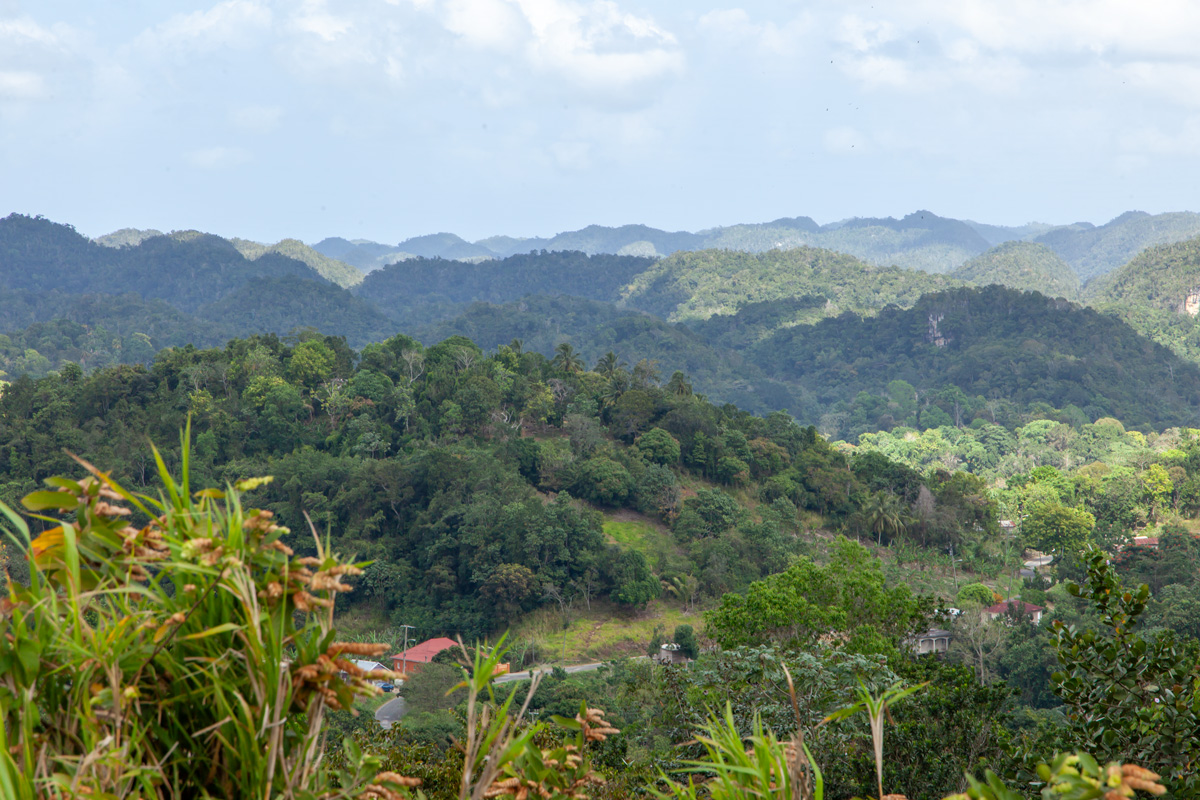
The most popular time to visit Jamaica is between December and April, when there’s less rainfall, and the beaches are at their most tempting. I spent all of February in Jamaica and had a ball. That said, if you aren’t a huge beach person and don’t mind some showers, the shoulder weeks in late November and May are a good bet with more affordable prices. Carnival kicks off in the lead-up to Easter Sunday (March or April); an excellent and energetic time to visit, but you’ll want to plan well in advance. Jamaica sits in the so-called hurricane belt, meaning June through November are the riskiest months weather-wise, be it for heavy rainfall or hurricanes.
Where to Stay in Jamaica
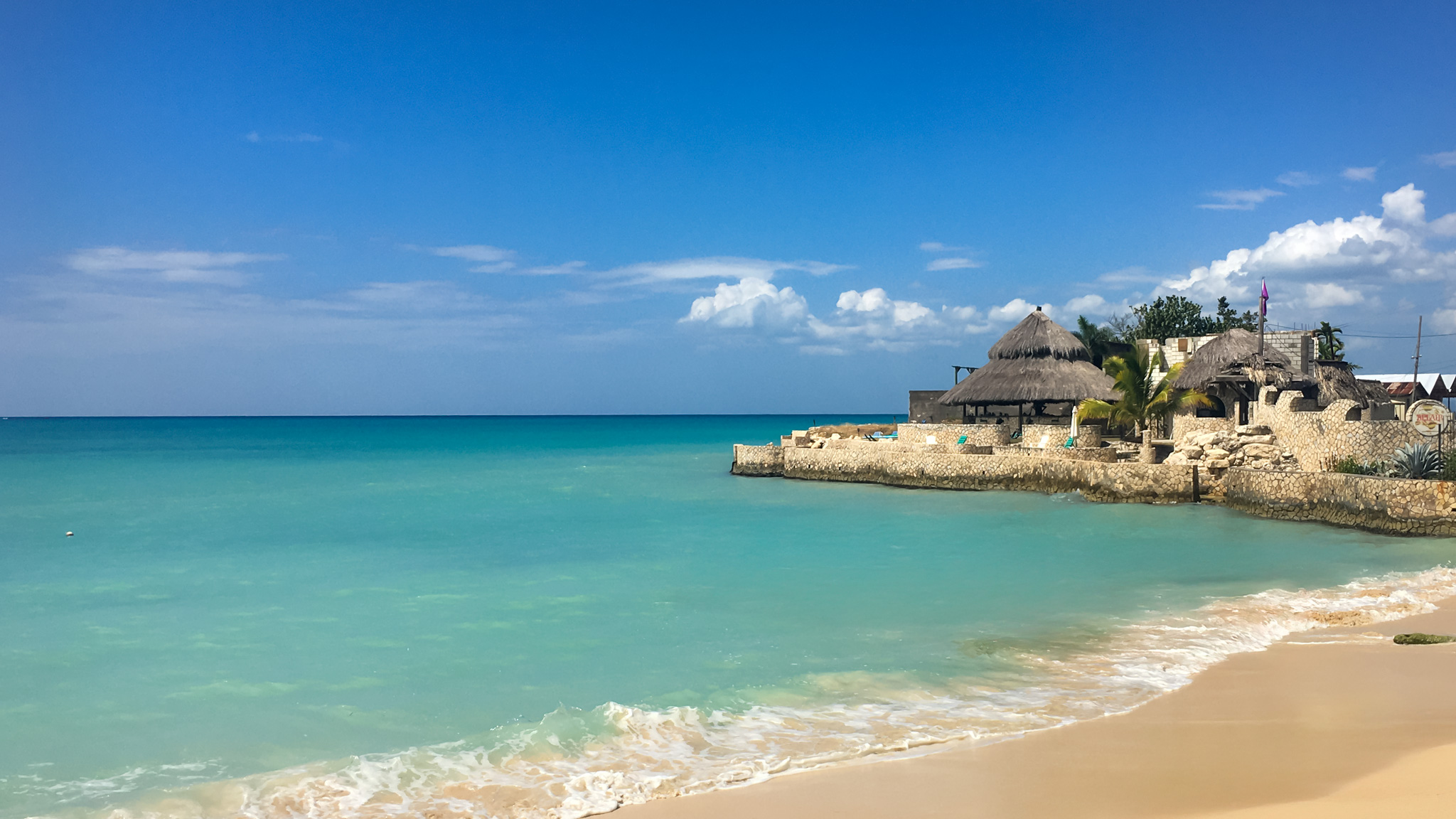
If you’re heading to Jamaica for a mainly beach-focused, resort-style vacation, then the northwest coast is your best bet – especially if flying into Sangster International Airport. If it’s your first visit or you have some security concerns, sticking to the larger, gated hotels should provide some reassurance.
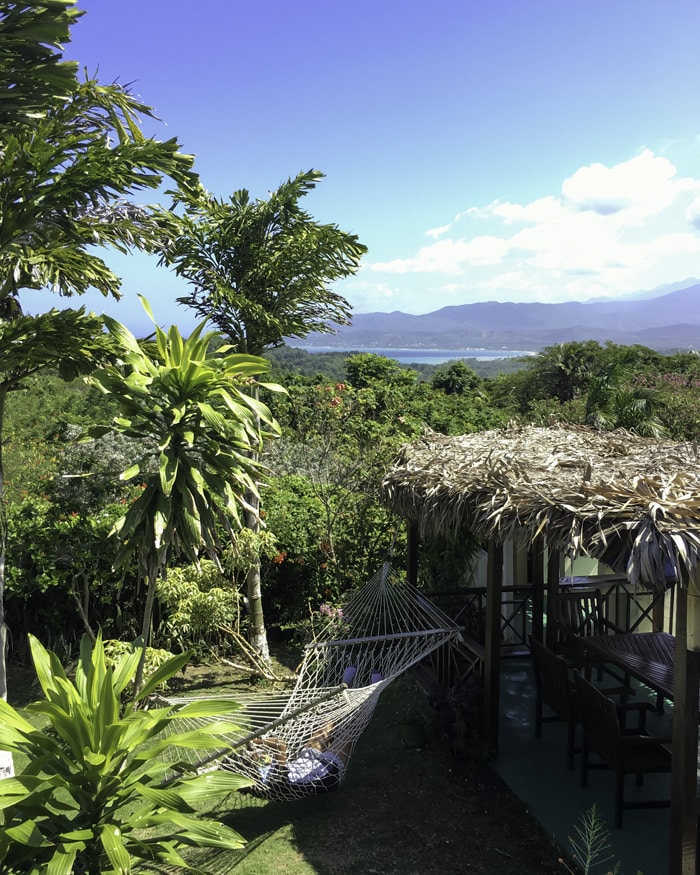
The lively, popular area around Montego Bay has some of the best all-inclusive hotels in Jamaica, although you might want to stay a 20-minute drive or so out along the north coast. While you won’t be right in the hub of the town, you will avoid the cruise ship tourists crowding the central beaches and can enjoy a more serene stay. The whole stretch of coast from Negril to Ocho Rios (I’m a big fan of Trelawny) is dotted with beach-access resorts in all shapes and sizes. Up around the Blue Mountains, there are also some lovely spots to spend one night, enjoying the views in a hammock.
If you are also planning a night or two in Kingston, I’d personally advise doing your research and choosing a neighbourhood that’s both safe and a hotel with security, rather than an apartment or independent rental. I stayed at both the Medallion Hall Hotel, which was fairly basic but with security and nearby restaurants. A word of warning: the nice city hotels in Kingston can be even more expensive than resorts in the north.
Getting Around Jamaica
When booking flights to Jamaica, be aware that there are two major airports, and the travel time between them is quite considerable. If you’re only planning to spend time in, or are staying along the north coast around Montego Bay or Ocho Rios, ideally you’d fly into Sangster International Airport (or Ian Fleming International Airport in Ocho Rios, if you’re coming from Miami). For Kingston and the southeast, Norman Manley International Airport is your best bet. The journey from Kingston to Montego Bay is at least a three-hour drive.
Getting around Jamaica, especially on a first-time visit, you’re most likely to use registered taxis or drivers arranged by your hotel. I hired a driver for a few days during my trip, which was actually great for getting offbeat, but quite expensive. Uber operates in main areas, such as Montego Bay, Ocho Rios and Kingston. JUTC operates most long-distance buses (pay with cash on board) and urban transport. Knutsford Express is another inter-city option. Renting a car will give you the most freedom, but be aware of traffic, some bad roads (especially if heading into the hills), and security concerns in certain areas.
My Favourite Jamaica Experiences
Snorkel or Scuba Dive the Underwater World
Sure, the blissful sun-baked white sands and bath-like tropical waters might be Jamaica’s main calling card, but there’s plenty to appreciate away from the shoreline. The underwater world around Jamaica is a wonderful thing. Vivid fish dance above corals, stingrays are often seen (particularly around Dolphin Cove), and shipwrecks and turtle sightings add to the aquatic appeal.
Some of the best snorkelling areas in Jamaica include the protected Montego Bay Marine Park (beach-accessible Doctor’s Cave Reef is a good starting point), the waters around boat-linked Booby Cay Island, and around Negril, where the reefs are generally more alive. Scuba diver? Head for Devil’s Reef, near Ocho Rios, and it requires a boat and an advanced diving license. Ship diving the SS Kathryn near Ocho Rios is better suited to beginners.
Go Slow on a Martha Brae River Raft
Hop on board a bamboo raft for an hour to soak up the peaceful scenes along the Martha Brae River. The design of the rafts is similar to that of those formerly used to transport sugar from the plantations during the UK’s horrific colonial rule. Along the way, the riverbanks are lined with mangroves and palms, and you might even spot the swallow-tailed hummingbird, Jamaica’s national bird. It’s around an

See Cockpit Country’s Eco-Tourism Offering
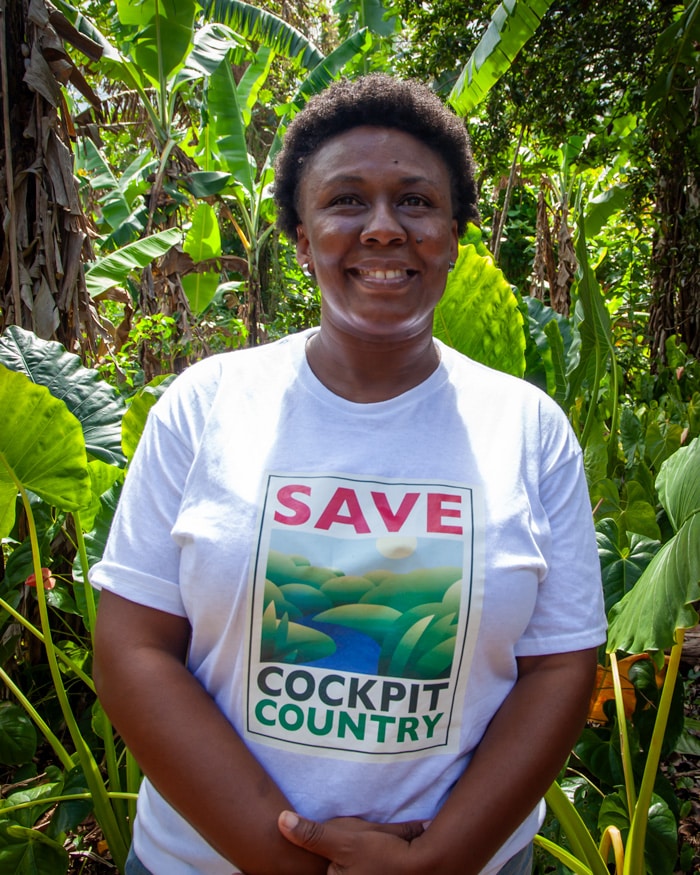
Trelawney is one of my favourite Jamaican parishes. Some wonderful and recent tourism developments here, focused on preserving the delicate ecosystem and waterways, have given the parish a new reason to visit. One that will help you connect with the local communities. On a Cockpit Country Eco Tour, you’ll go deep into the landscape, passing farmland and meeting farmers, seeing tropical flora, learning more about the Maroon communities that have called the area home, and wrapping up with a home-cooked feast.
Splash Around at Dunn’s River Falls
These are the best-known falls in Jamaica for good reason. Not only does the waterfall tumble into the Caribbean Sea in picturesque fashion, but the river leading up to the pretty finale is a treat in itself. Ever-moving sedimentary rock has shaped the landscape and gives the water its teal hue. Wading along the river and climbing up and down the rocks before reaching the waterfall adds an air of adventure to the experience.
Learn about the Maroons Culture and Resistance
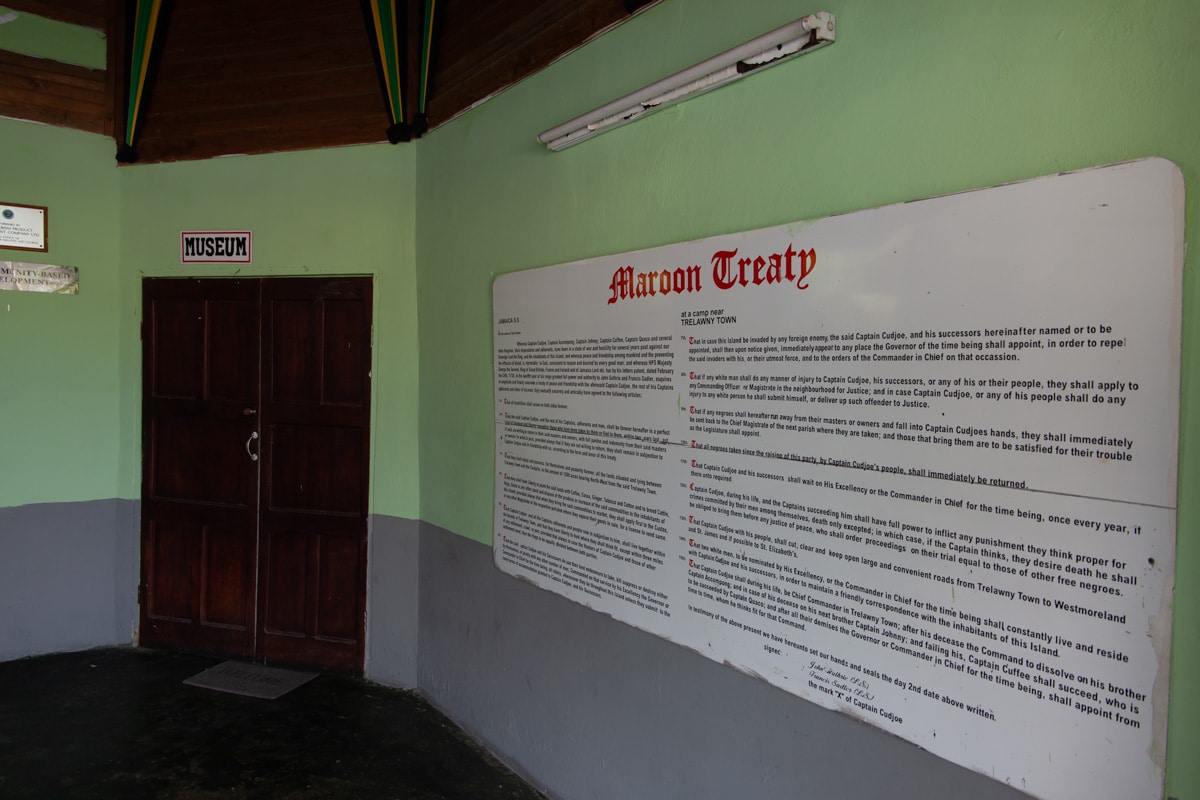
No visit to Jamaica would be complete without learning about the Jamaican Maroons. Even if you don’t visit the community itself, reading up on the island’s colonial history is important. Before the British, Spain had already colonised much of the Caribbean, and was the first to bring enslaved Africans to the island. The Maroons were those who escaped from their evil plantation owners and established resistance communities in the mountains. In the Portland parish, there are a few community villages that welcome visitors to learn more about their culture, and potentially overnight. I stayed a little while in Accompong (Cockpit County), but it’s possible – ideally pre-arranged – to visit the cultural centre.
Tour Kingston’s Creative Spirit Through Murals & Music
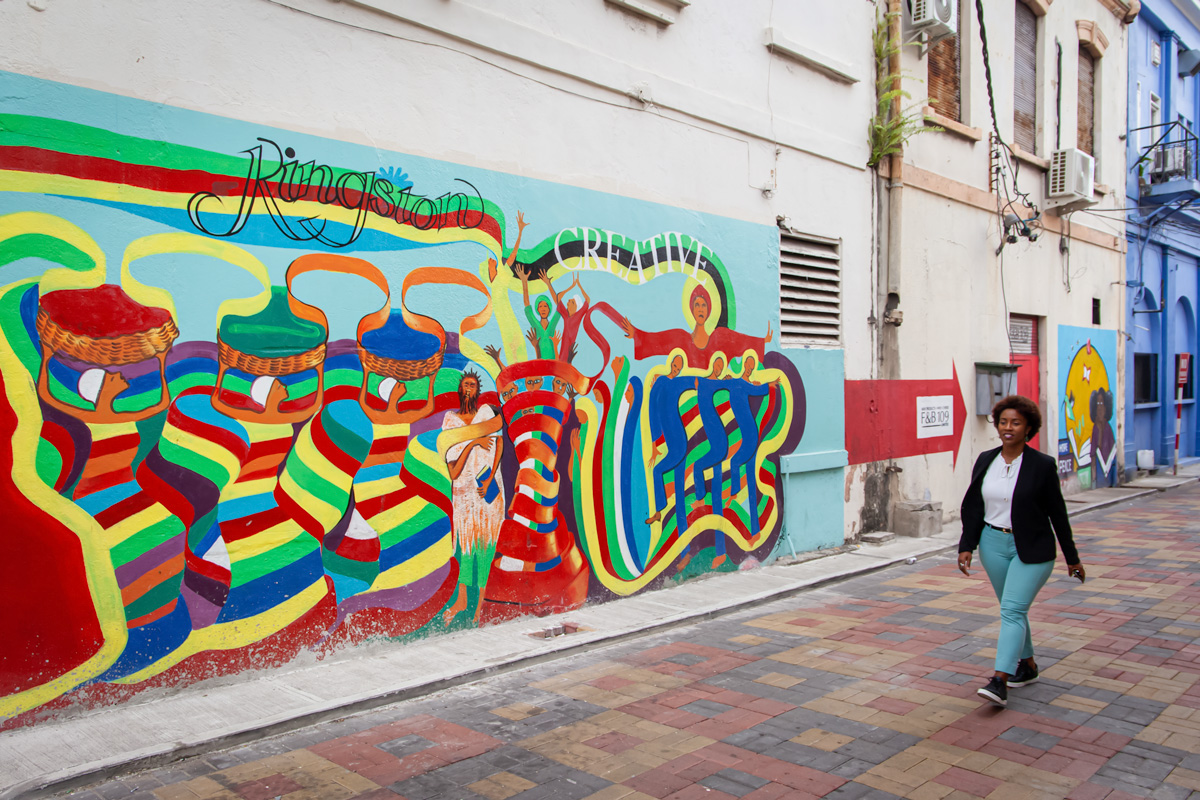
Even if you’re staying in the north of Jamaica, I’d urge you to make at least a full-on and intense day trip to Kingston, the country’s capital and cultural hub. Local community initiatives such as Kingston Creative (join them for a tour) have been hard at work adding splashes of colour across the city, establishing community art projects, and introducing visitors to Dancehall culture. Kingston and its surroundings are also where you can dive deeper into Jamaica’s reggae scene and the life of the country’s most famous son, Bob Marley. A visit to the Trench Town Culture Yard Museum – where he grew up – and the Bob Marley Museum are a must for fans, and are all part of what makes Jamaica such a unique island to visit.
Jamaica Planning Tips
While my travel tips for Jamaica are focused on solo travel, most apply to all visitors. Safety is a valid concern when travelling independently around Jamaica, particularly in some Kingston neighbourhoods, so you’ll want to consider when a guide or driver makes more sense than going it alone. This is generally why a resort stay is often preferred for a first-time visit, especially as they can help arrange excursions or drivers to visit attractions.
That’s not to say you should join a tour for everything. Many of the main attractions on the north coast are far more affordable if you turn up and buy a ticket, and driving in this area isn’t too bad. Even if you’re not planning to drive, pack your license; some ATV tours require it. Be aware that many public beaches in Jamaica do charge an entry fee; a sad sign of the times that locals are losing access to shorelines and increasingly being charged to access what beaches remain “open”.
What to Pack for Jamaica
Alongside your usual warm-weather garments and swimwear, there are a few essentials you should pack before leaving home. Water shoes, for river wading or appreciating rocky waterfalls, aren’t a bad idea. You might also want to bring your own snorkelling gear to save on rentals.
If you’re planning to go out at night or exploring urban areas and have any concerns, an anti-theft backpack or a bumbag might provide some reassurance, while a waterproof bag will come in handy throughout the trip. Throw a poncho or rain jacket at any time of year, as even in February, I had a few heavy rain days; if you’re visiting between June and November, you might want something heavier-duty. Lastly, Jamaica’s tap water is largely filtered through limestone aquifers, so bring a refillable water bottle.


Leave a Reply
Want to join the discussion?Feel free to contribute!